Watercolor Orb Experimental record · 00–12

Round 01 · palette + absence

How the gorgeous mess happened

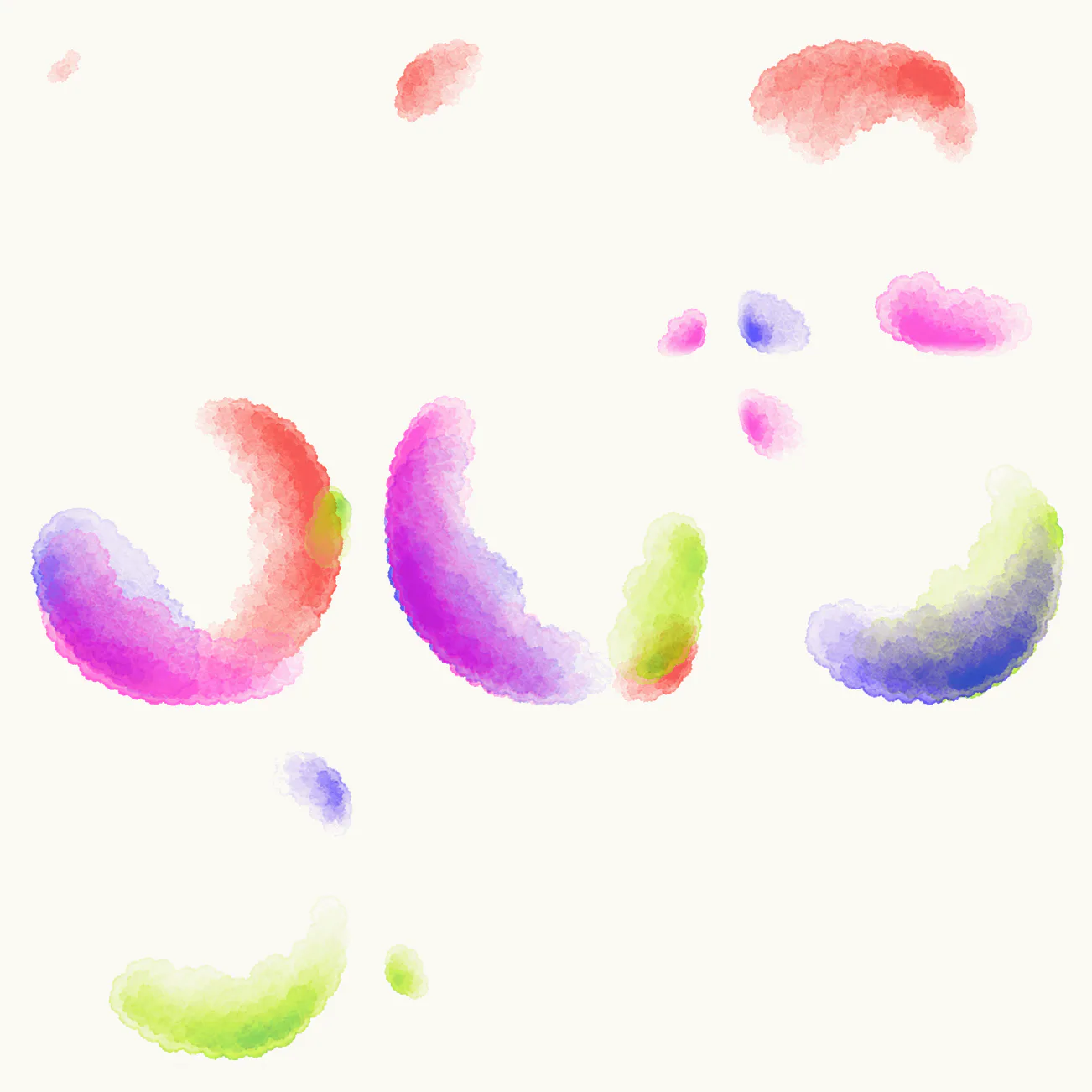
Twelve sparse pigment events preserved the palette, but synchronized timing stacked them into one pile. Multiply made that pile into dark digital mud. Staggering fixed the layering and revealed a second failure: the whole score was over in one second.

Outcome
12 sources · 2 failure modes
Active build time
1h 07m 56s
Scope
14 generated images

Edit path

From full pileup to a staggered score

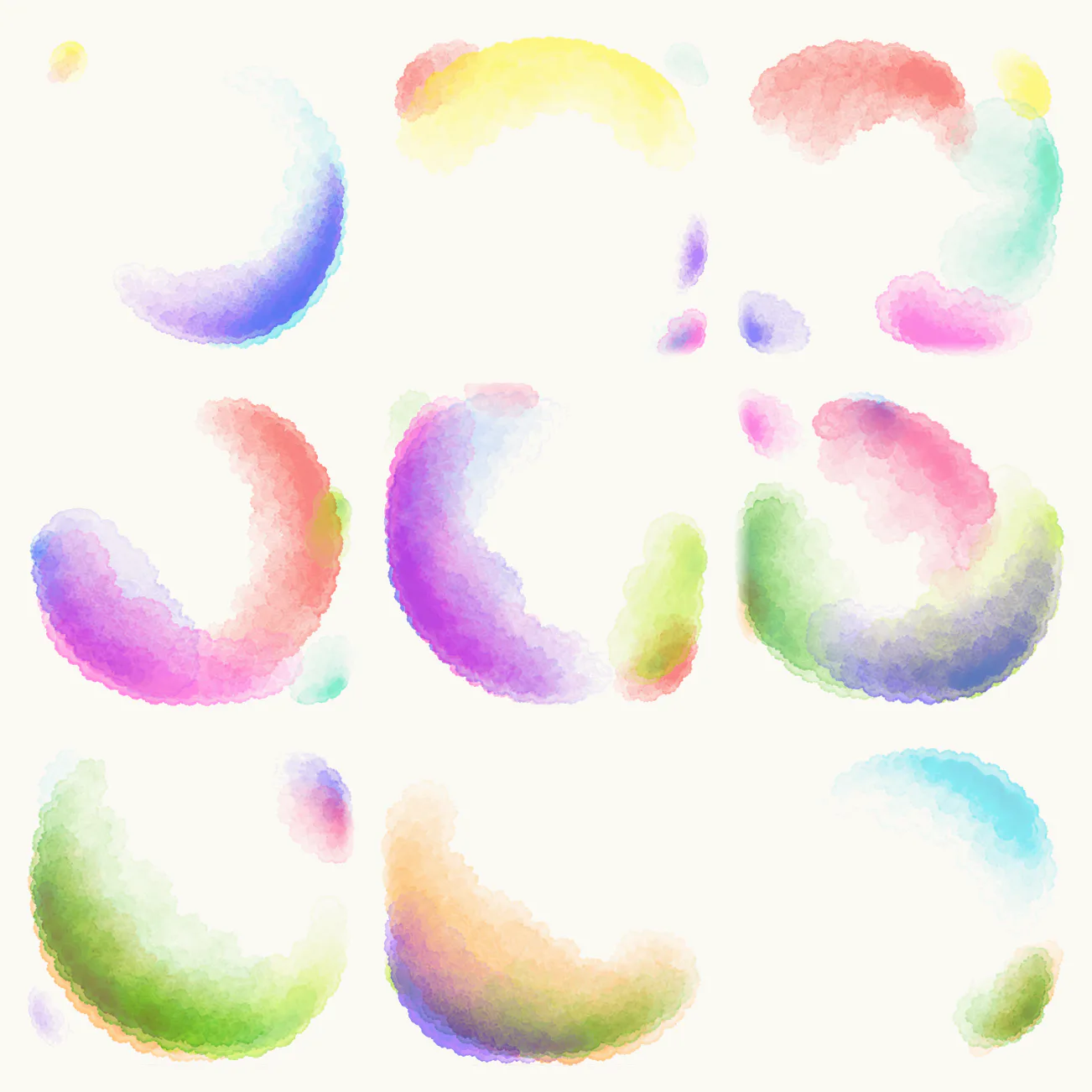
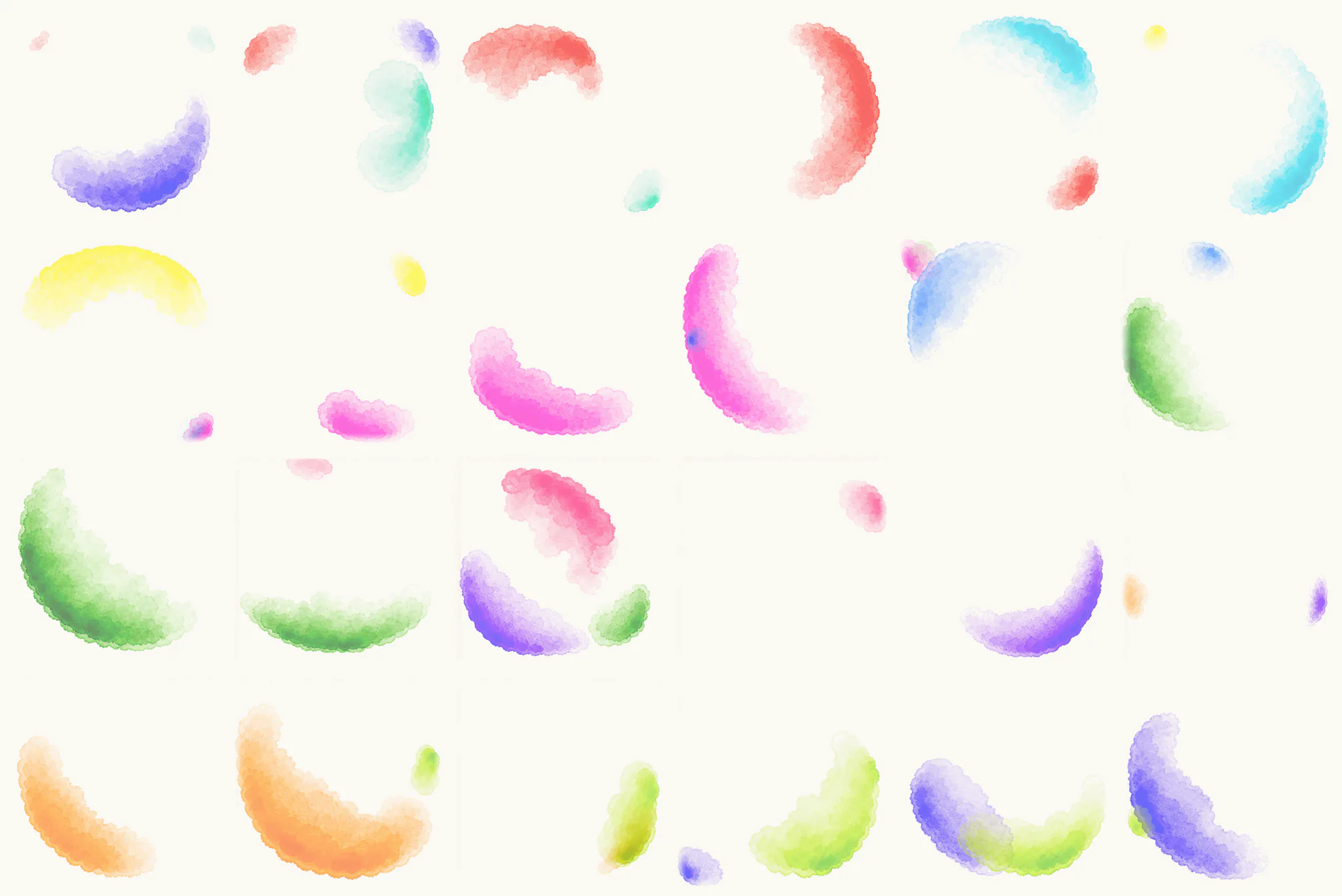
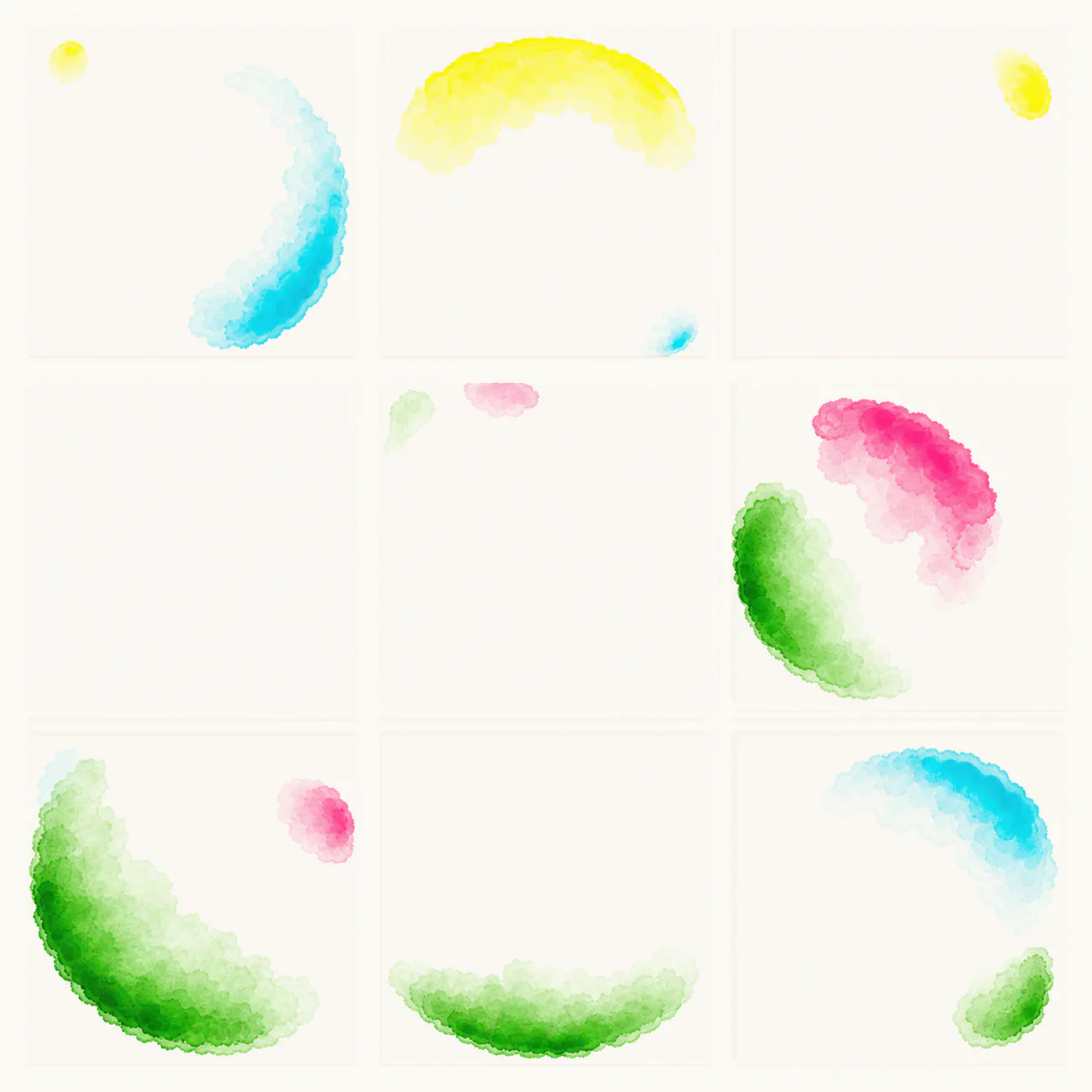
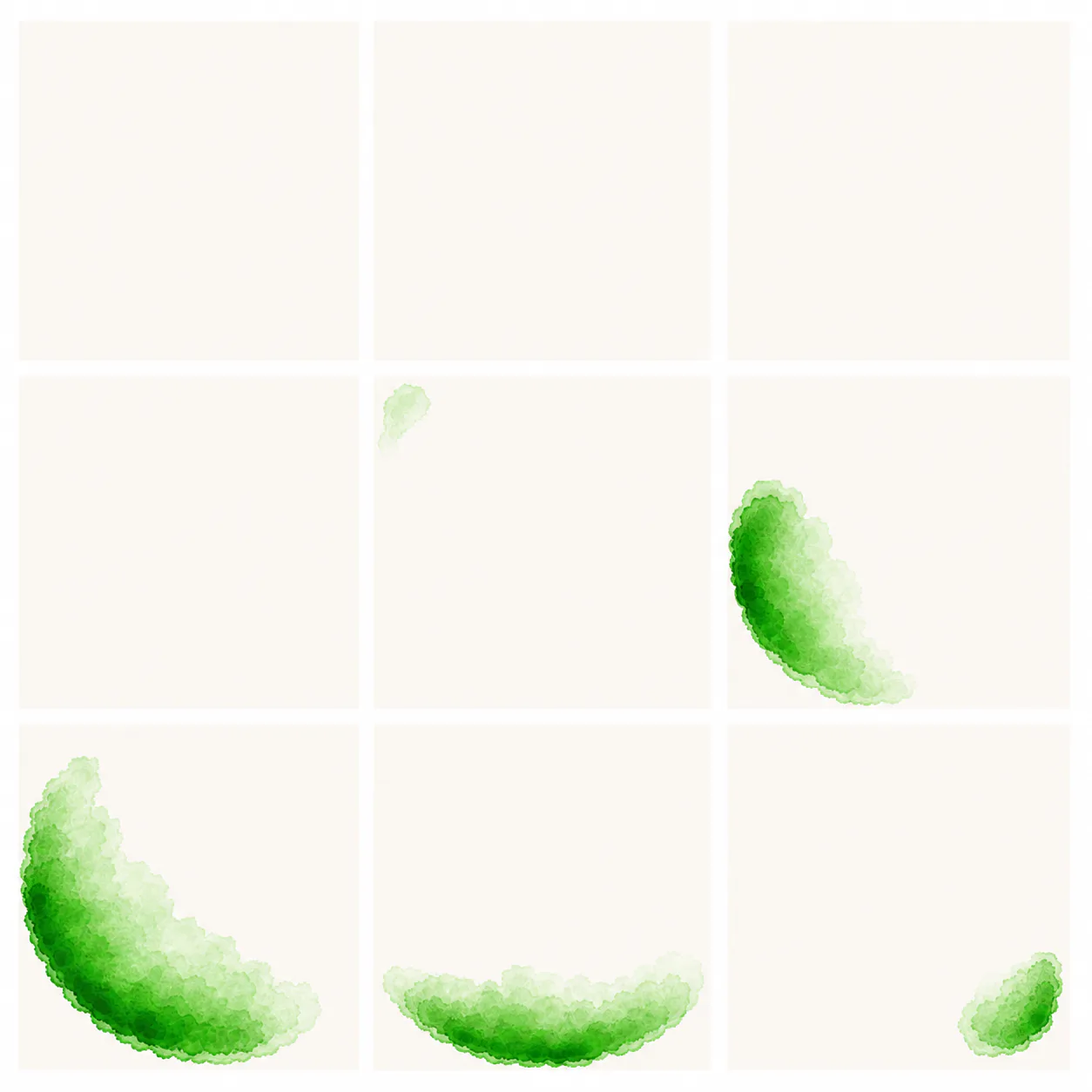
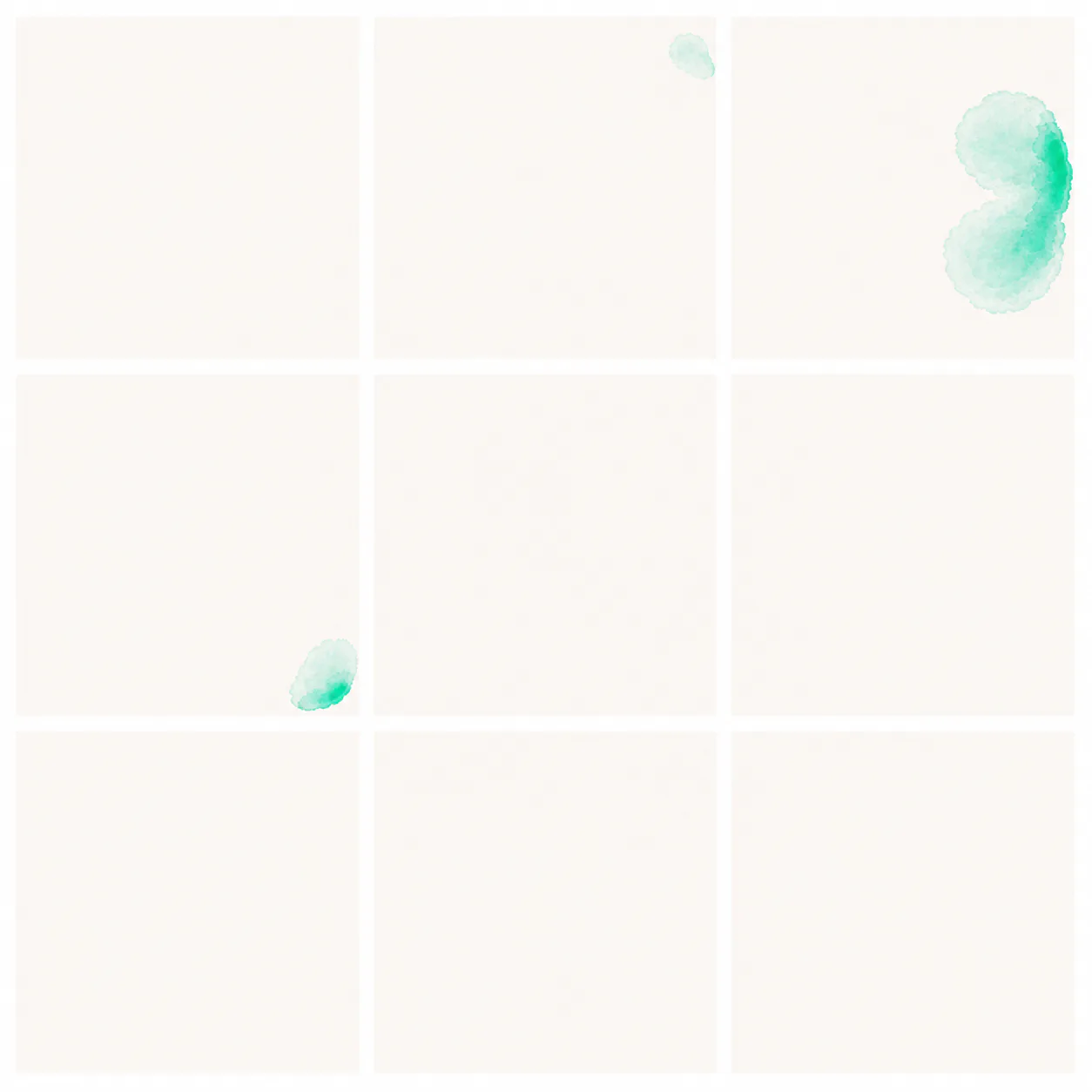
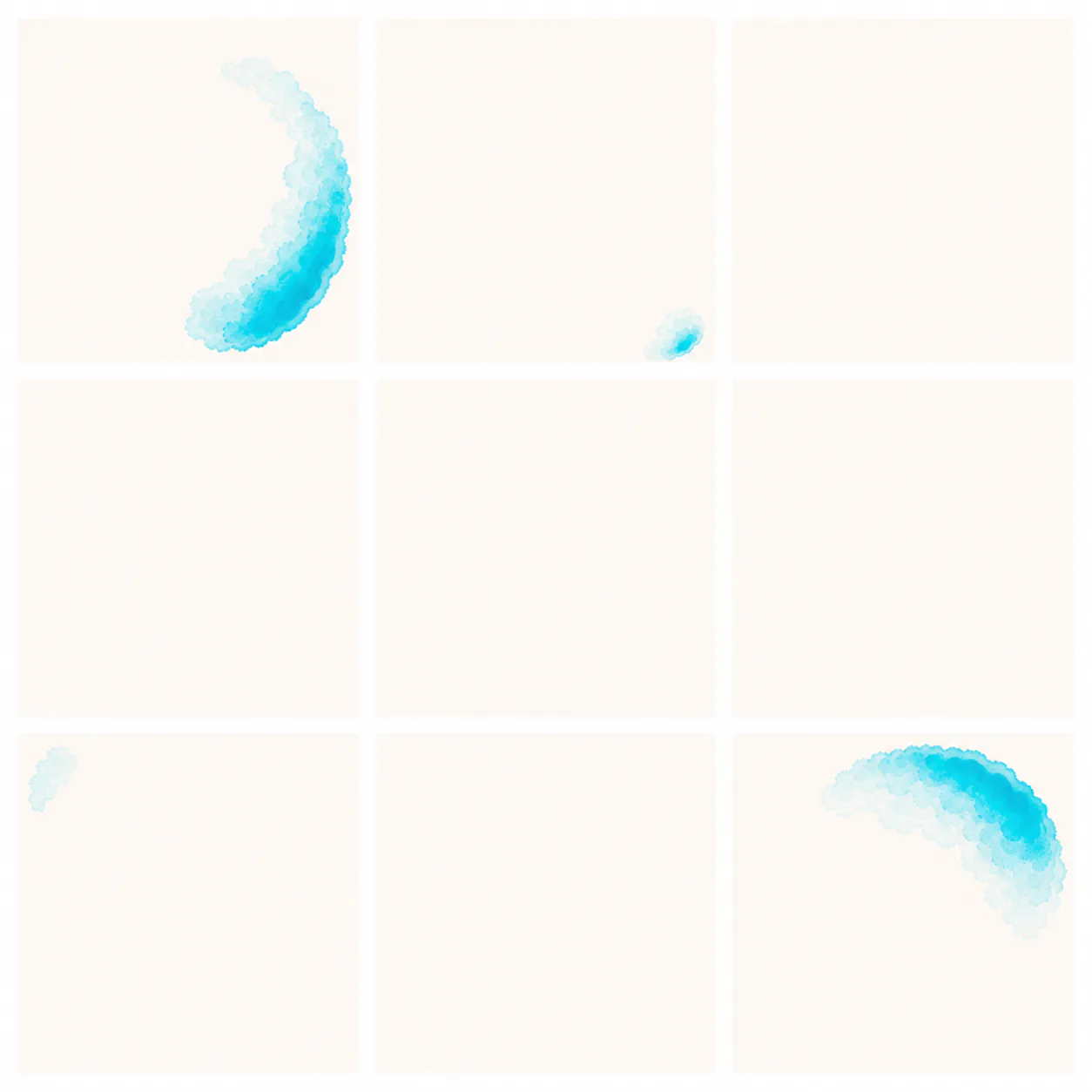
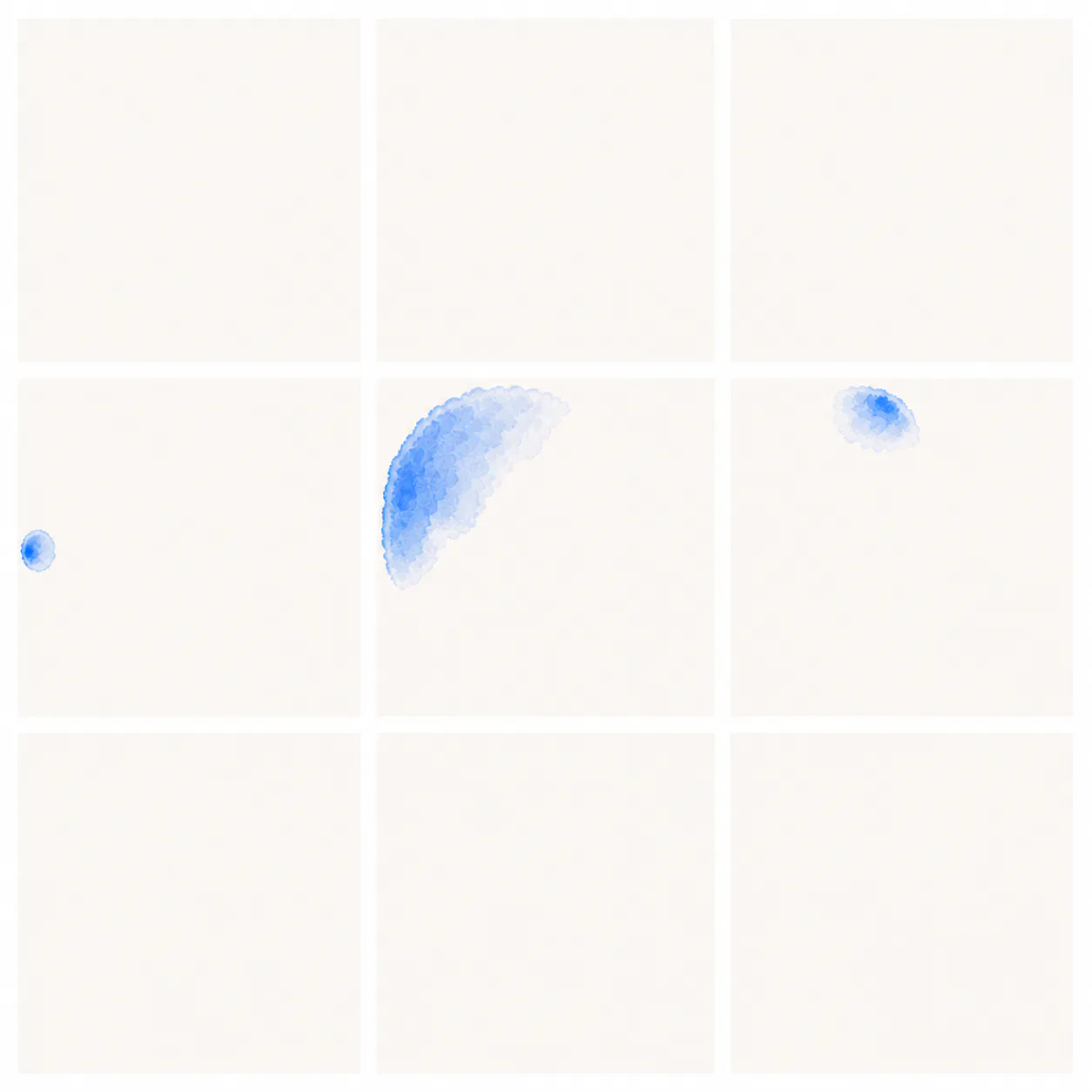
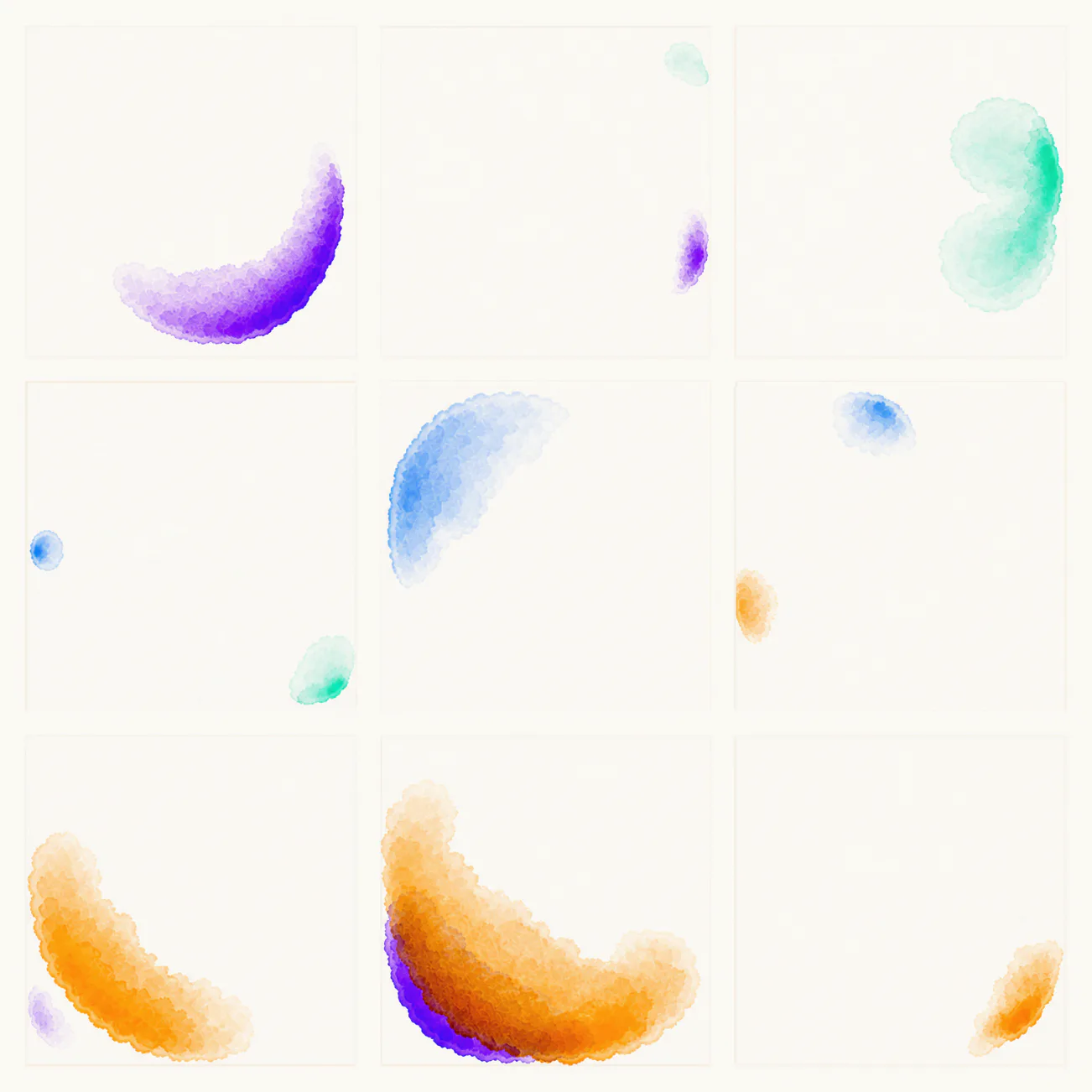
Each 3×3 pigment atlas contains only three to five painted states and deliberate empty cells. The first test placed all twelve events on one nine-frame clock; the second changed blend mode; the third converted paper to alpha and placed events on different starts across twenty-four slots.

  1. Generate sparse sources. Twelve pigment-specific atlases mix empty cells, blobs, and short crescents.
  2. Expose synchronization. All events share one short clock, so color stacks instead of handing off.
  3. Reject multiply. Dark overlaps destroy the luminous palette.
  4. Preserve the paint. Extract watercolor alpha and use ordinary source-over compositing.
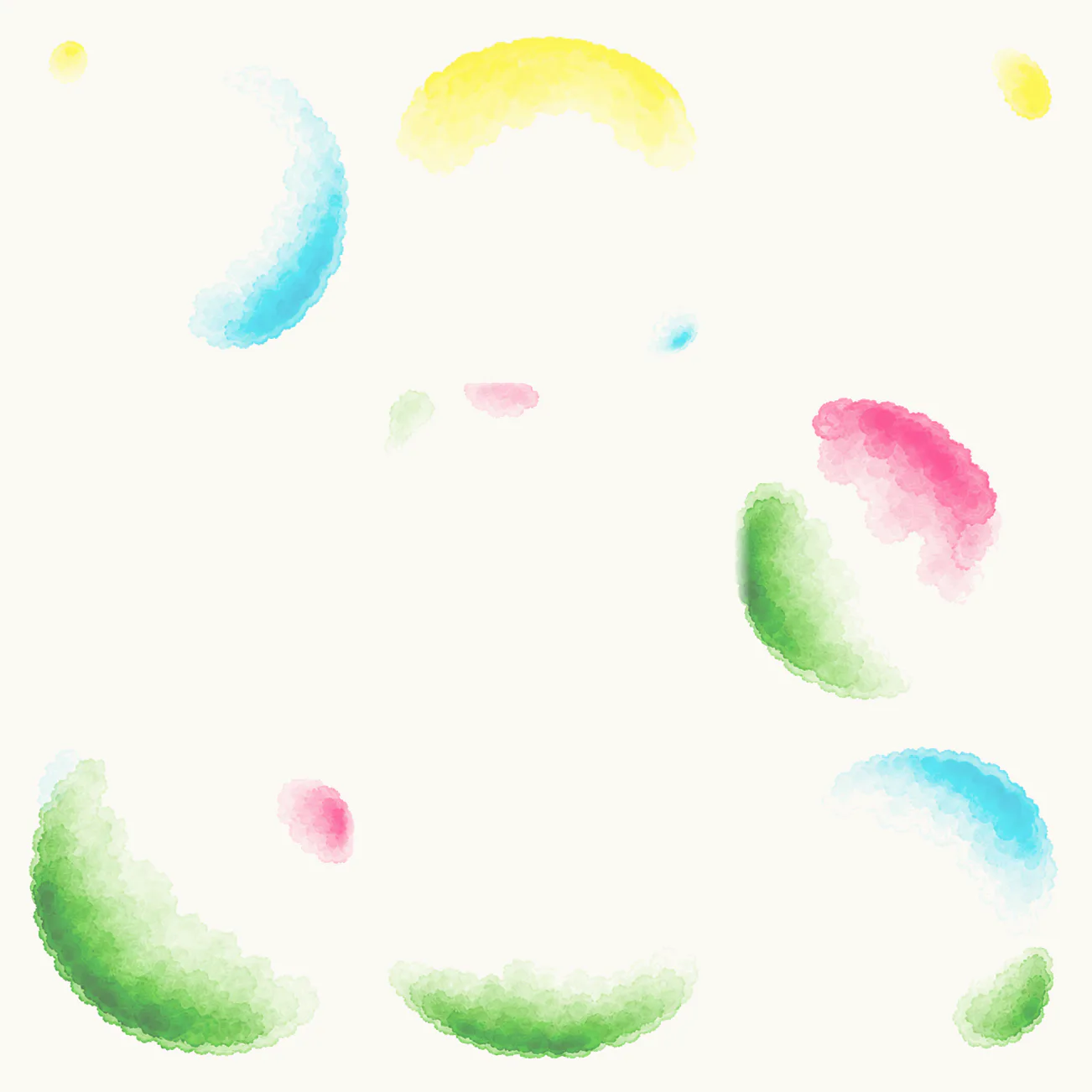
  5. Stagger the events. Roughly two colors remain active per frame, but 24 fps compresses the score into a blink.

Retained failures

Both misses explain the next move

Do not delete

Failure 01 · concurrency

Synchronized nine-frame pileup

Retained

All twelve events share the same short clock. The palette survives, but the colors stack instead of handing off.

Failure 02 · cadence

One-second staggered loop

Retained

The layering improves, but twenty-four distinct slots at 24 fps turn every color event into a blink.

Construction record
Concept, pileup, stagger, blend failure

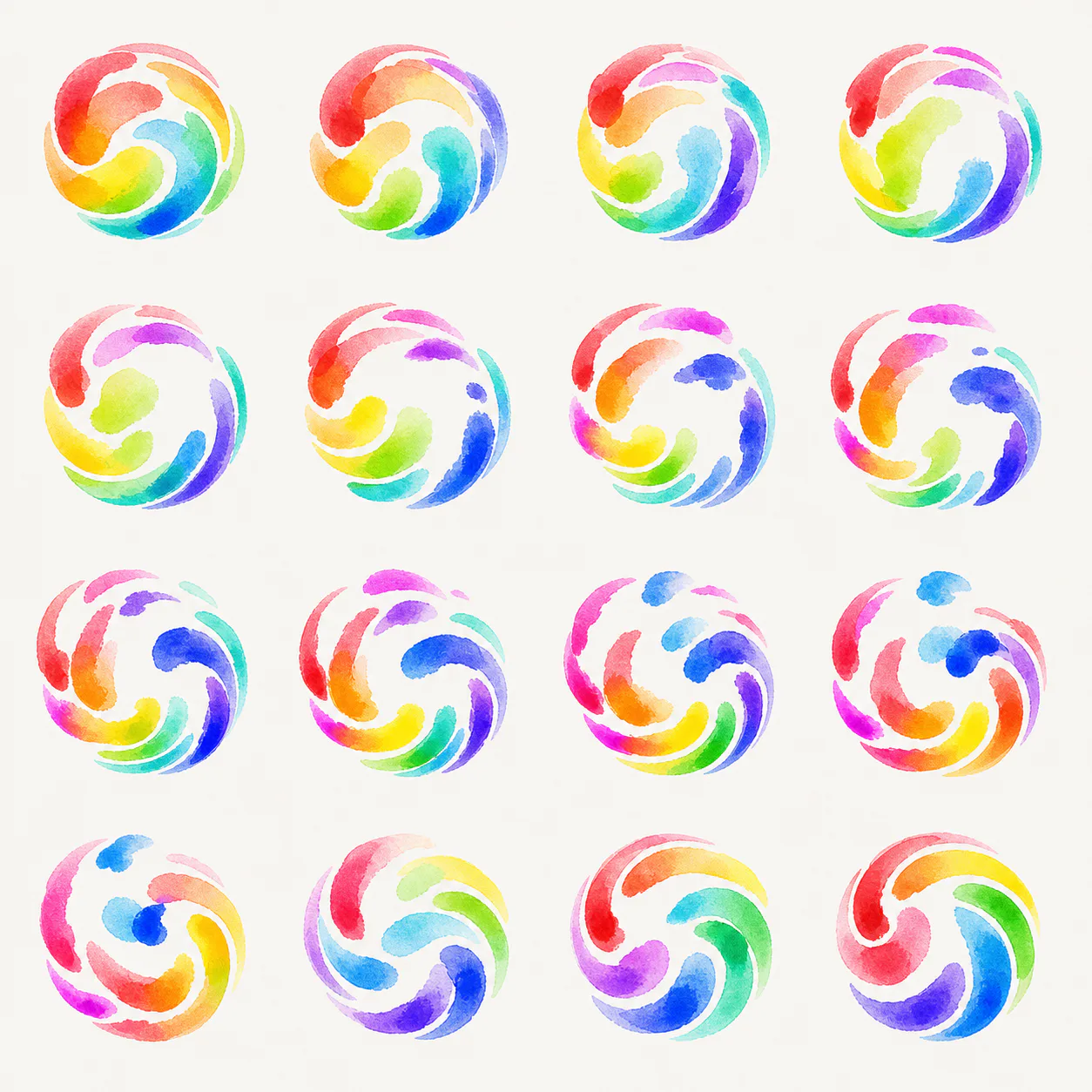
First generated watercolor orb concept grid
The material and centrifugal language carried into Round 01.
Nine synchronized watercolor orb composite frames
Rich as stills, too stacked as motion.
Twenty-four staggered watercolor orb frames
Composition fixed; timing still rushed.
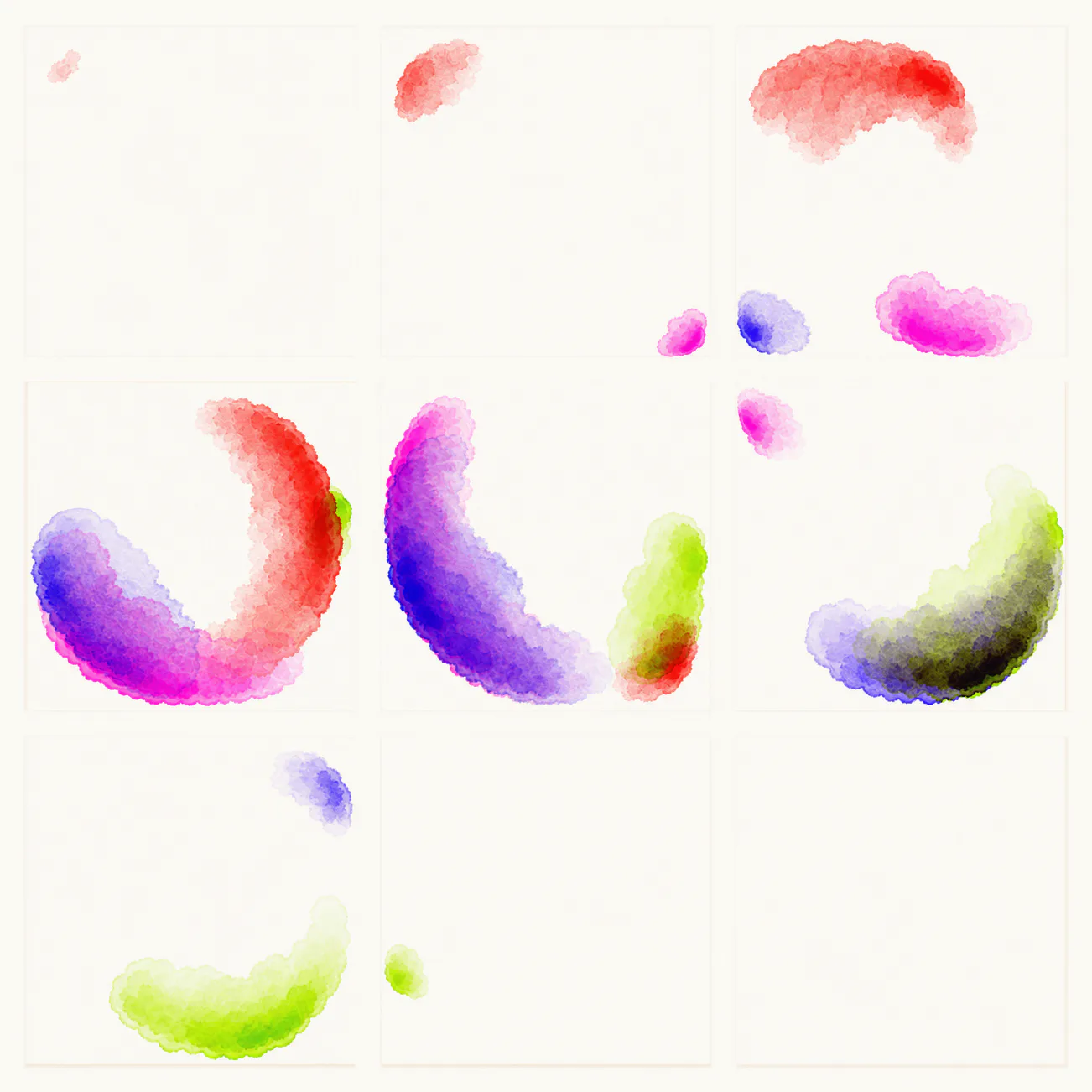
Prismatic multiply composite frames with dark overlaps
Multiply failure: physical-looking density became digital mud.

Blend comparison

Three directions before and after multiply

The palette-preserving revisions keep the same paintings and replace only the destructive blend logic.
Prismatic multiply composite
Prismatic · rejected multiply stack.
Prismatic palette-preserving composite
Prismatic · extracted-alpha source-over revision.
Atmospheric multiply composite
Atmospheric · rejected multiply stack.
Atmospheric palette-preserving composite
Atmospheric · extracted-alpha source-over revision.
Botanical multiply composite
Botanical · rejected multiply stack.
Botanical palette-preserving composite
Botanical · extracted-alpha source-over revision.

Round-one source library

Twelve sparse color events

108 source cells

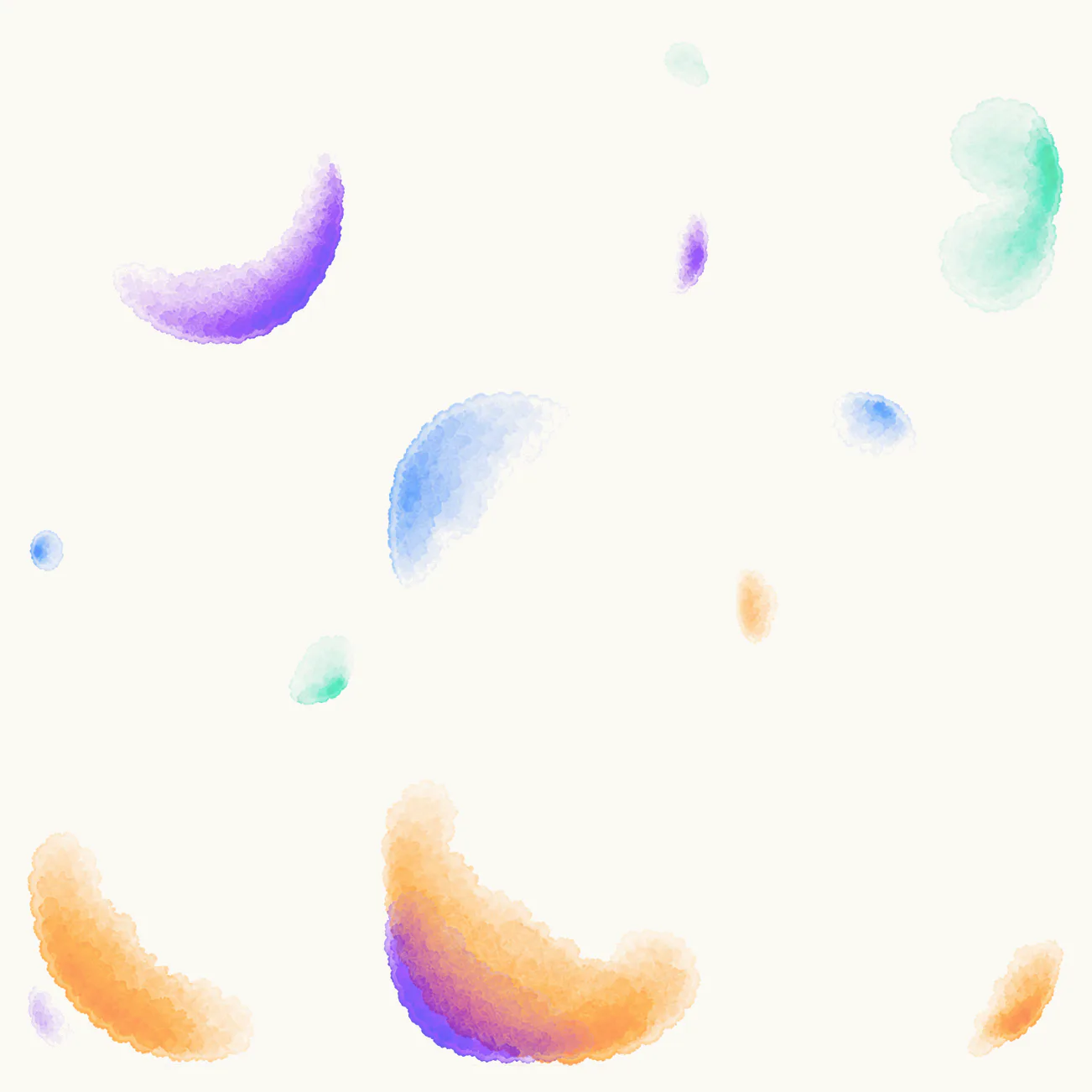
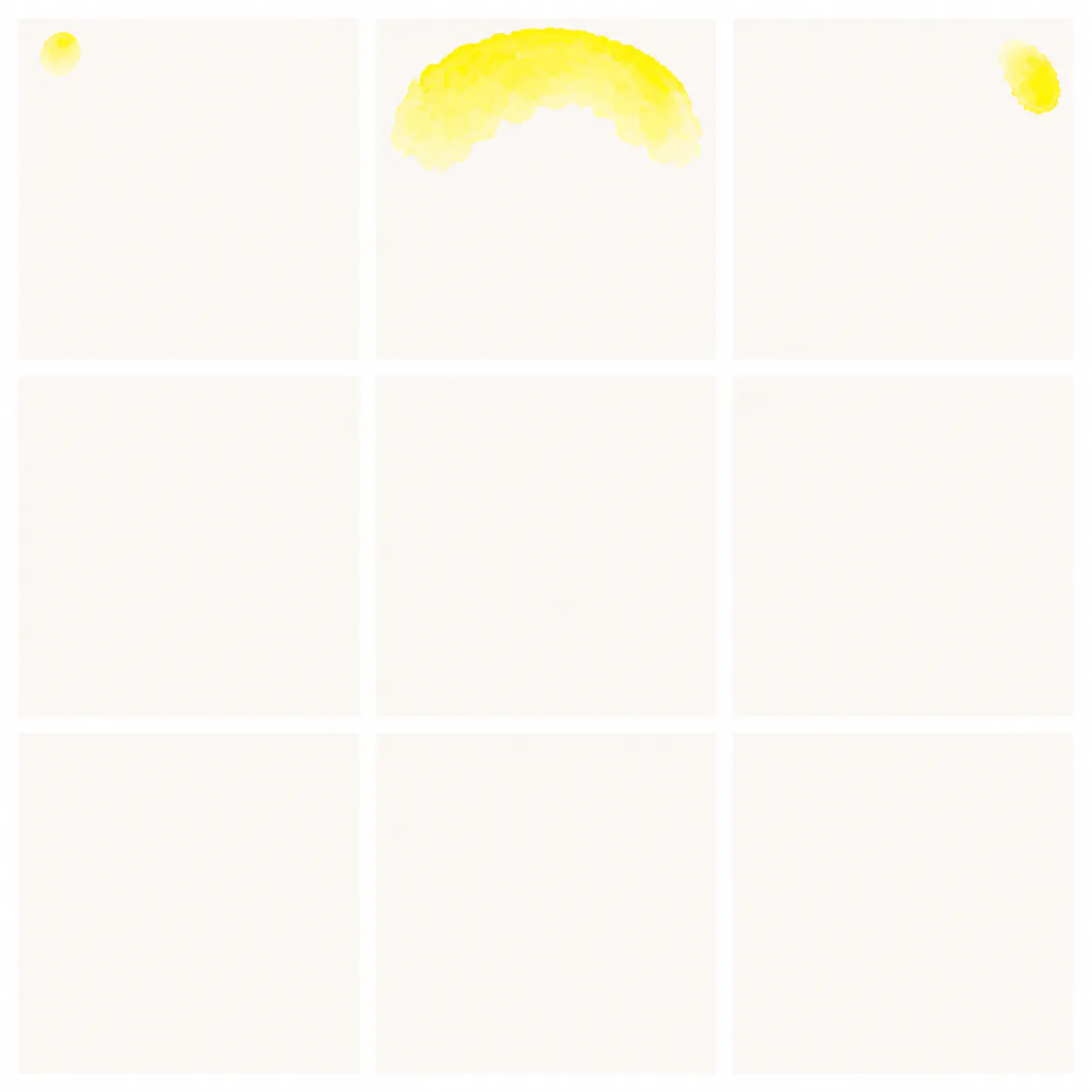
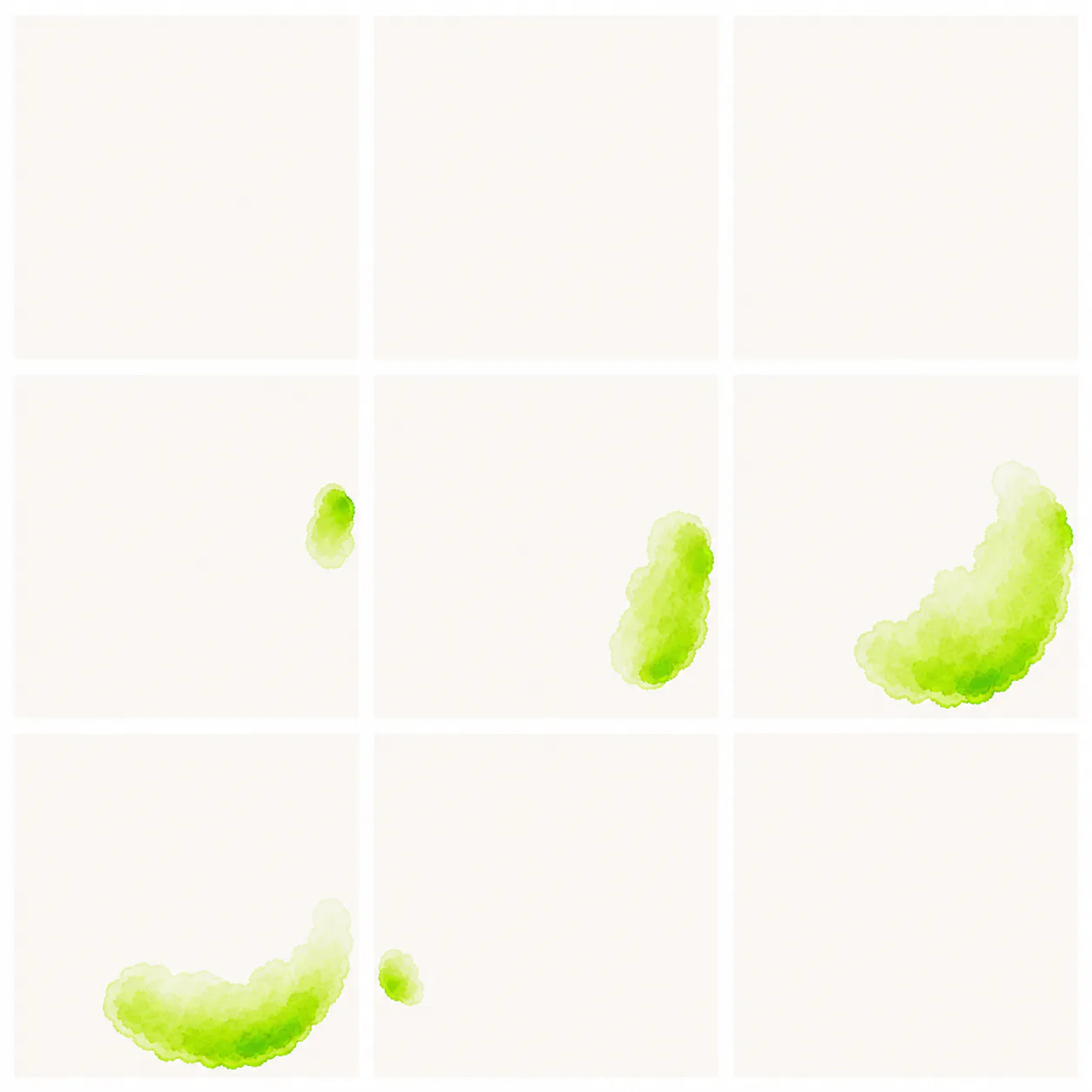
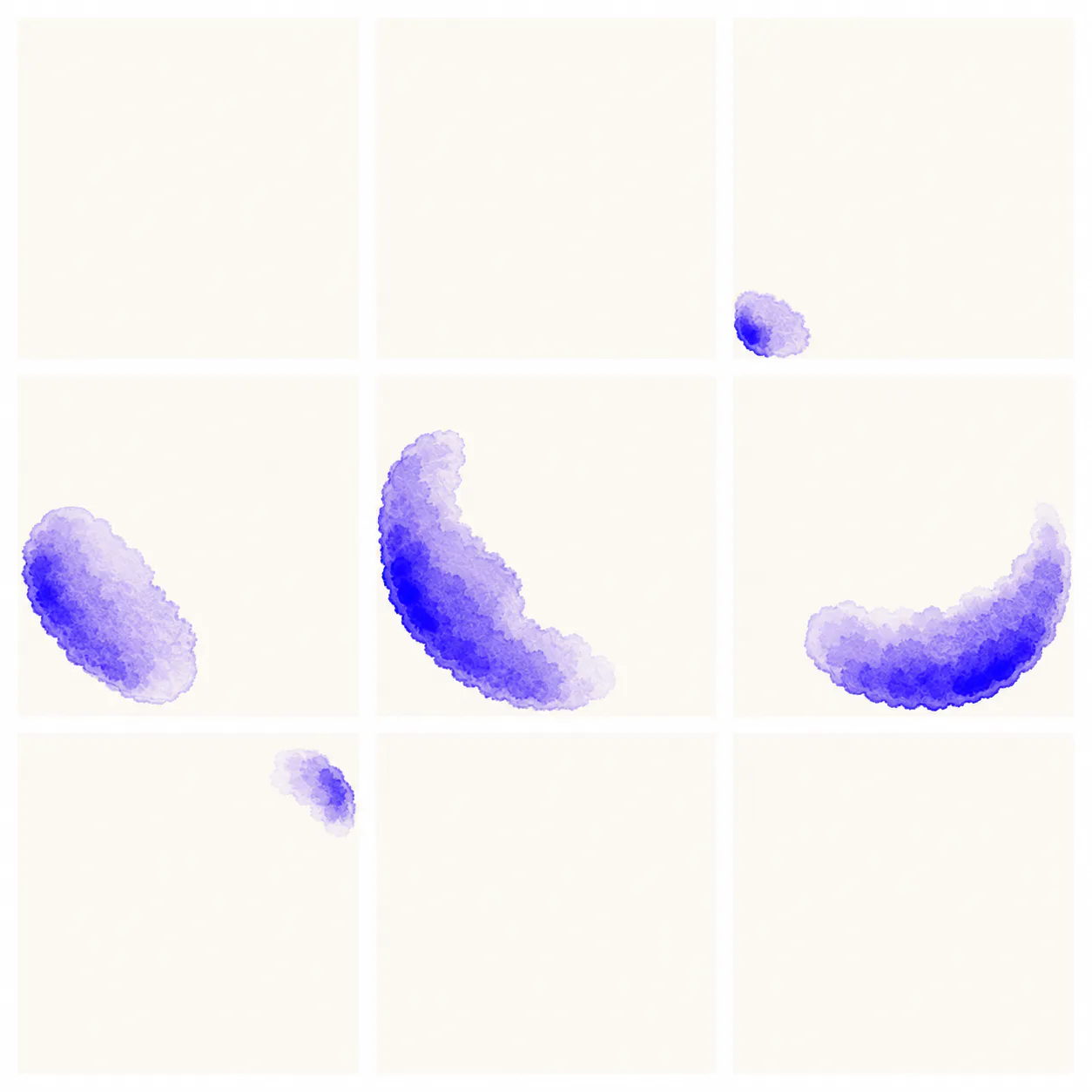
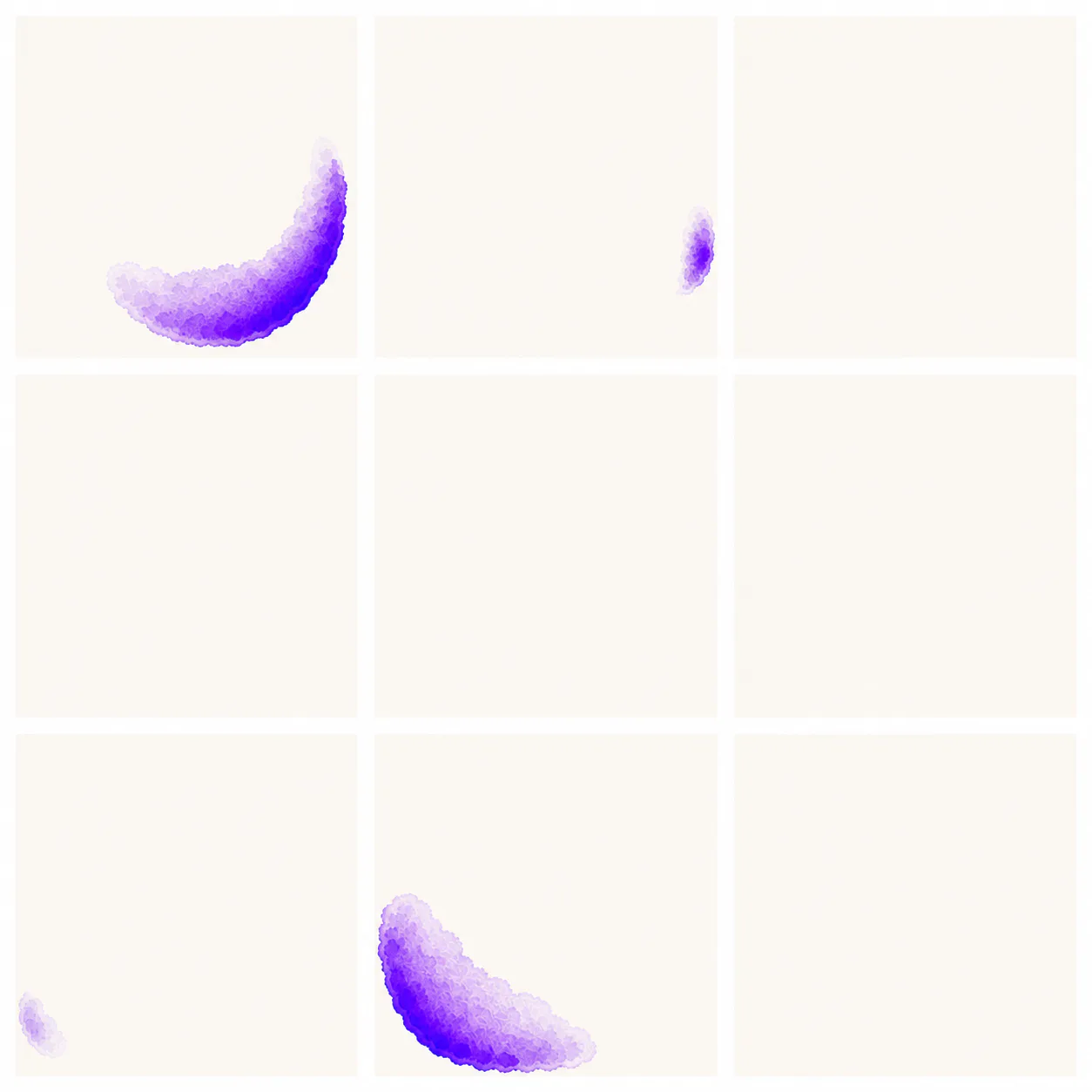
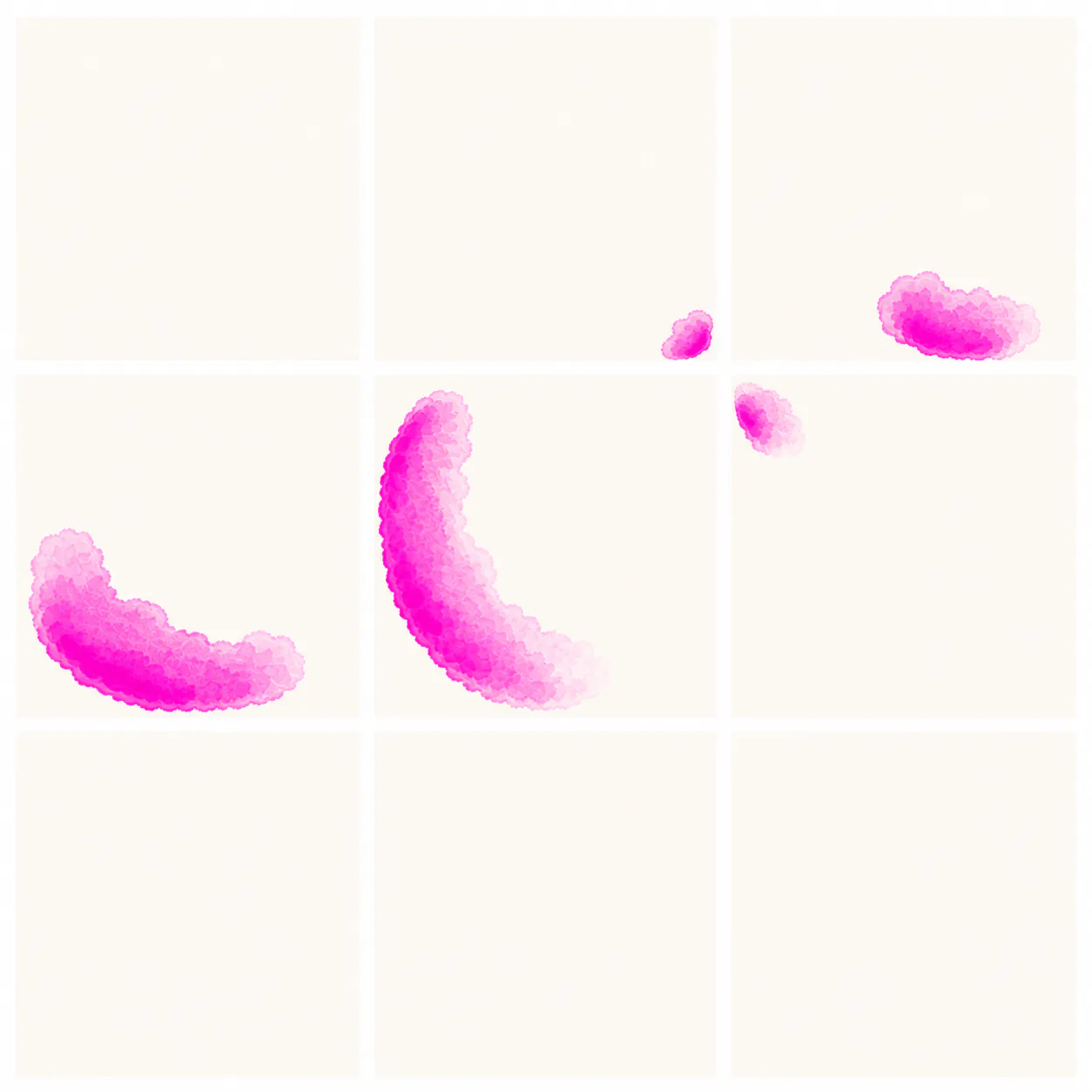
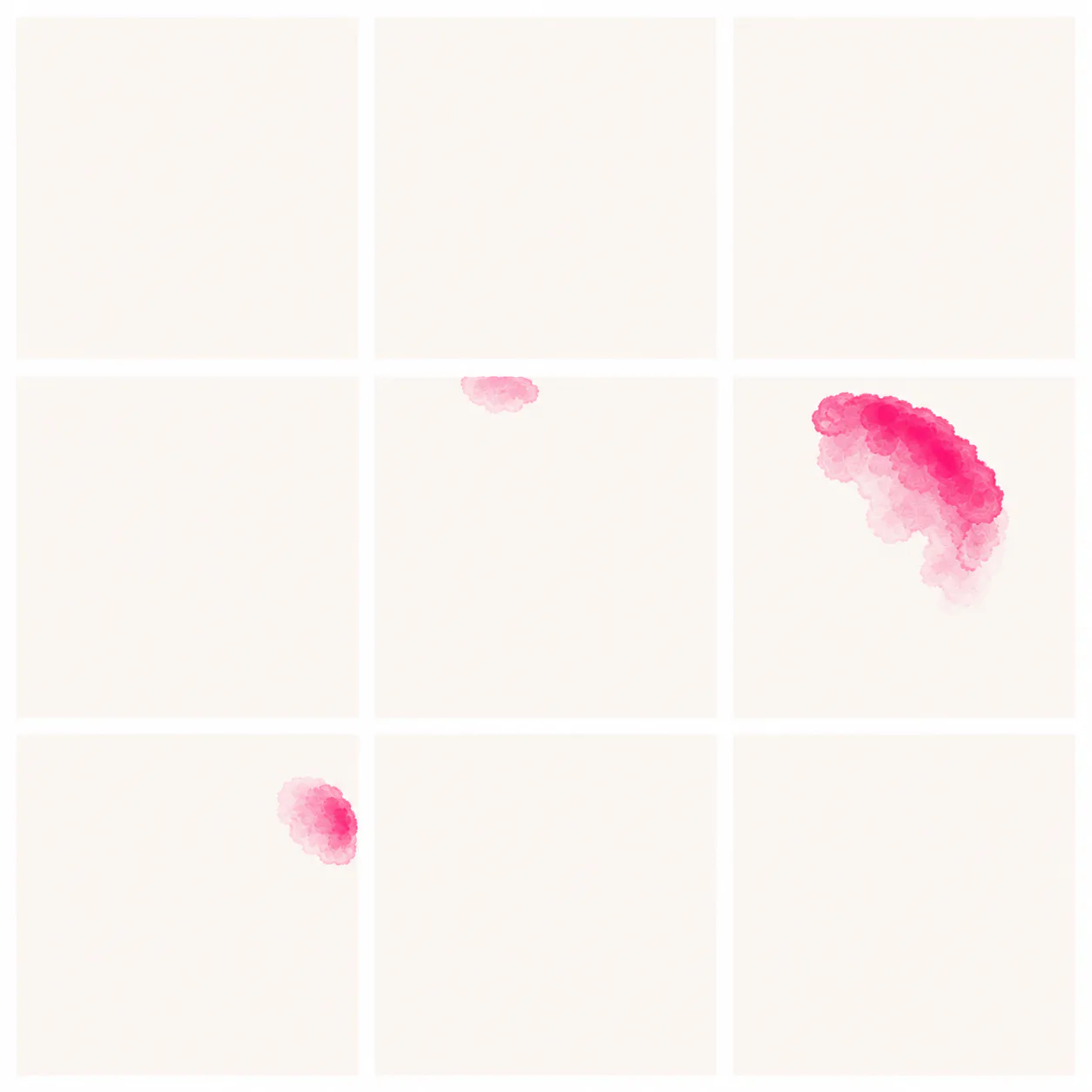
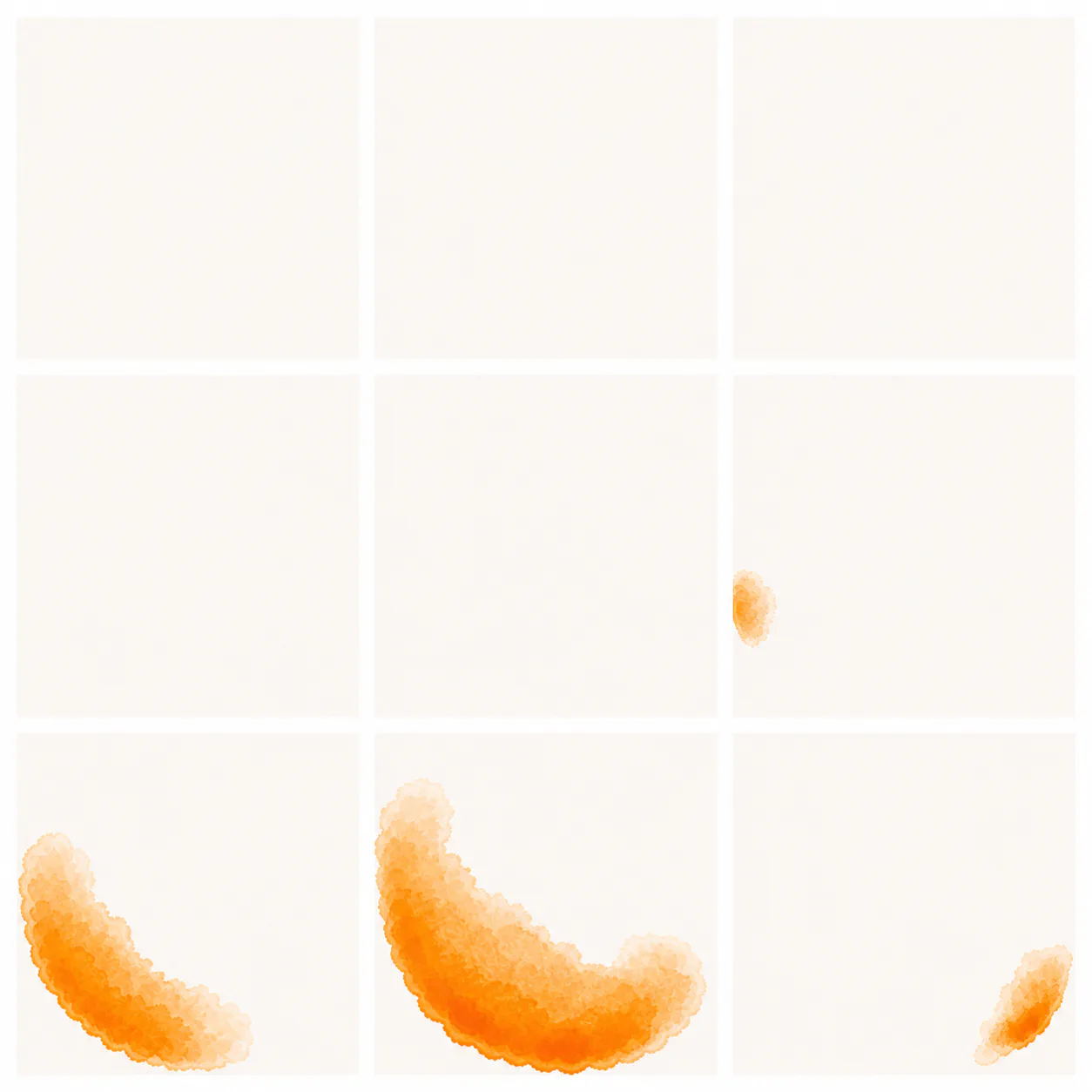
The original 3×3 sheets mix empty cells, blobs, and short crescents. Their uneven event spans are why the timing recipes still pop and break the orb.
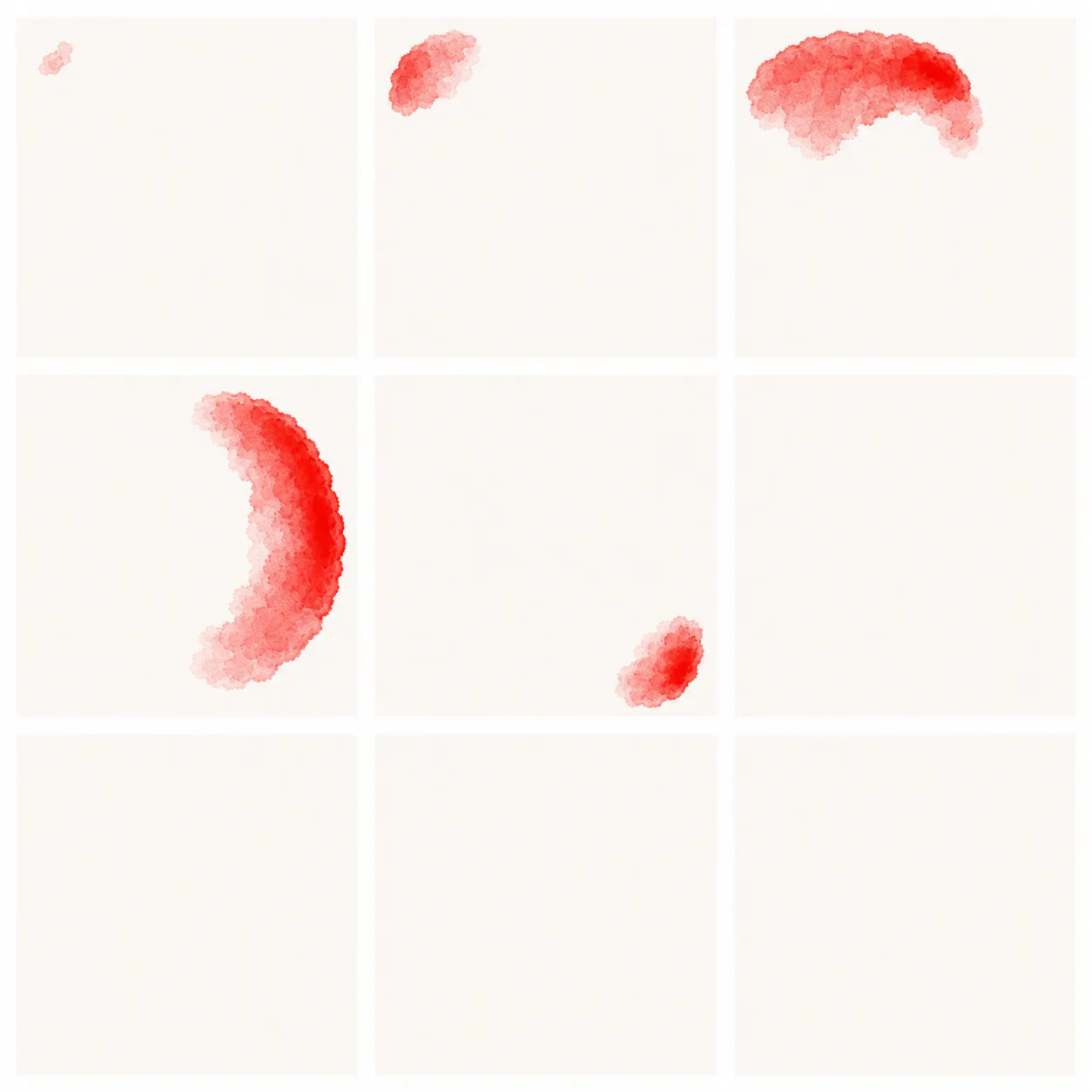
red sparse watercolor event atlas
red
orange sparse watercolor event atlas
orange
yellow sparse watercolor event atlas
yellow
lime sparse watercolor event atlas
lime
green sparse watercolor event atlas
green
mint sparse watercolor event atlas
mint
cyan sparse watercolor event atlas
cyan
sky sparse watercolor event atlas
sky
blue sparse watercolor event atlas
blue
violet sparse watercolor event atlas
violet
magenta sparse watercolor event atlas
magenta
pink sparse watercolor event atlas
pink