R12 · Palette transfer
Full-spectrum crescendo
All twelve repository pigments inherit one fixed behavior body without losing their separation or watercolor texture.
See R12 →Motion workshop · complete retained study
A registered, color-controlled, expressive watercolor motion system, developed across twelve rounds. The record below shows the promoted results first, then follows every question, edit, decision, and retained miss that produced them.
Selected outcomes · R07–R12
Four promoted studies
The later rounds turn the early watercolor language into a controlled system: tonal motion, registered color structure, expressive behavior, and palette transfer. Hover or focus an orb to play it; click for explicit playback.
R12 · Palette transfer
All twelve repository pigments inherit one fixed behavior body without losing their separation or watercolor texture.
See R12 →R11 · Behavior
A rare cyan-violet crest makes delight a bounded behavior, not the resting look.
See R11 →R07 · Tonal motion
Five related blues prove that motion can remain legible without rainbow contrast.
See R07 →R10 · Color structure
Two registered color orbits create a quiet everyday edge with enough air left for behavior.
See R10 →Motion reference by Adam Fuhrer · original work.
Reference
Intermittent painted plates establish the timing, stagger, and negative space the experiment is trying to recover.
The standard
Open this stage →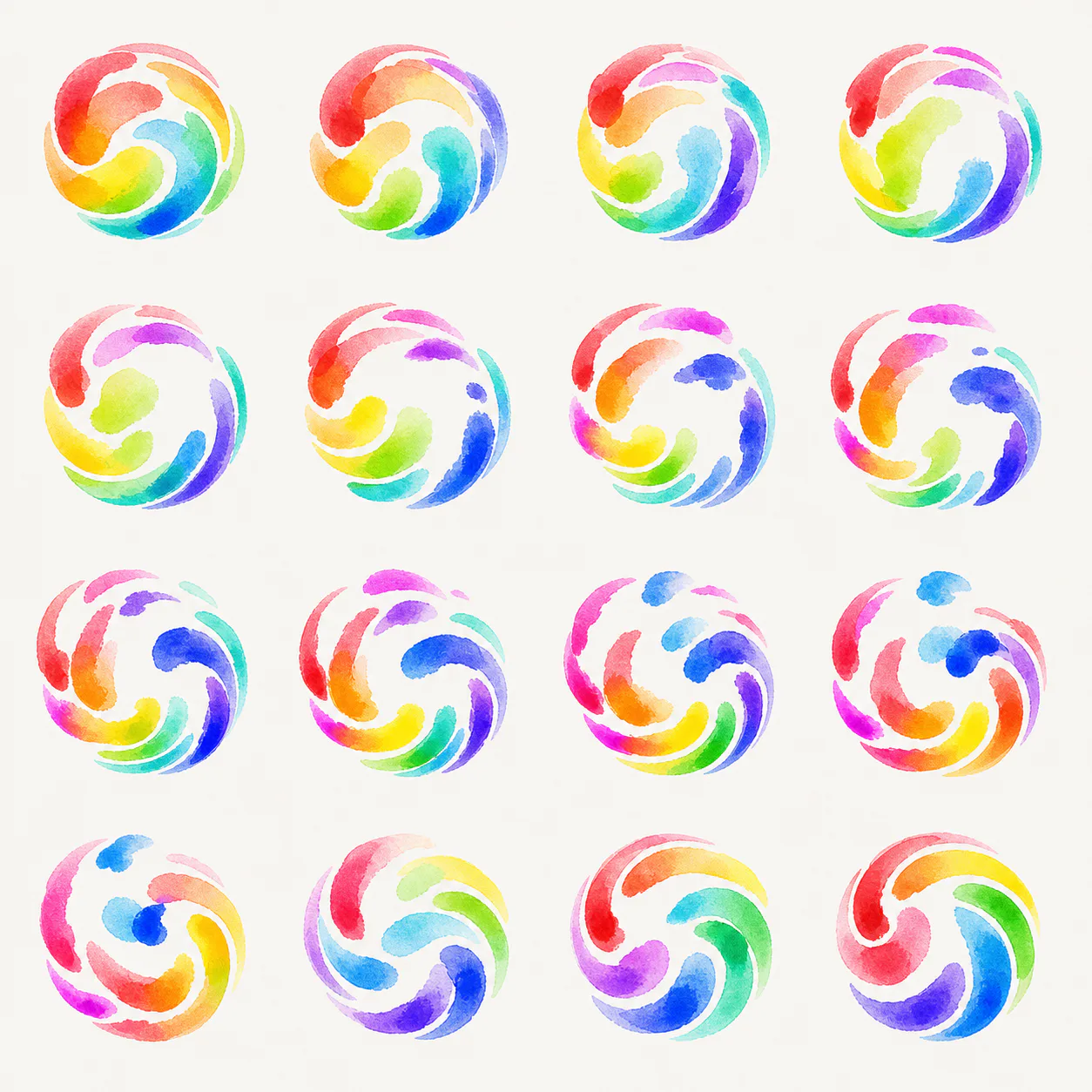
R00 · Origin
The blobby centrifugal language arrives; the first full-orb sprite proves that stacked mass will fail.
1 seed · 1 density miss
Open this stage →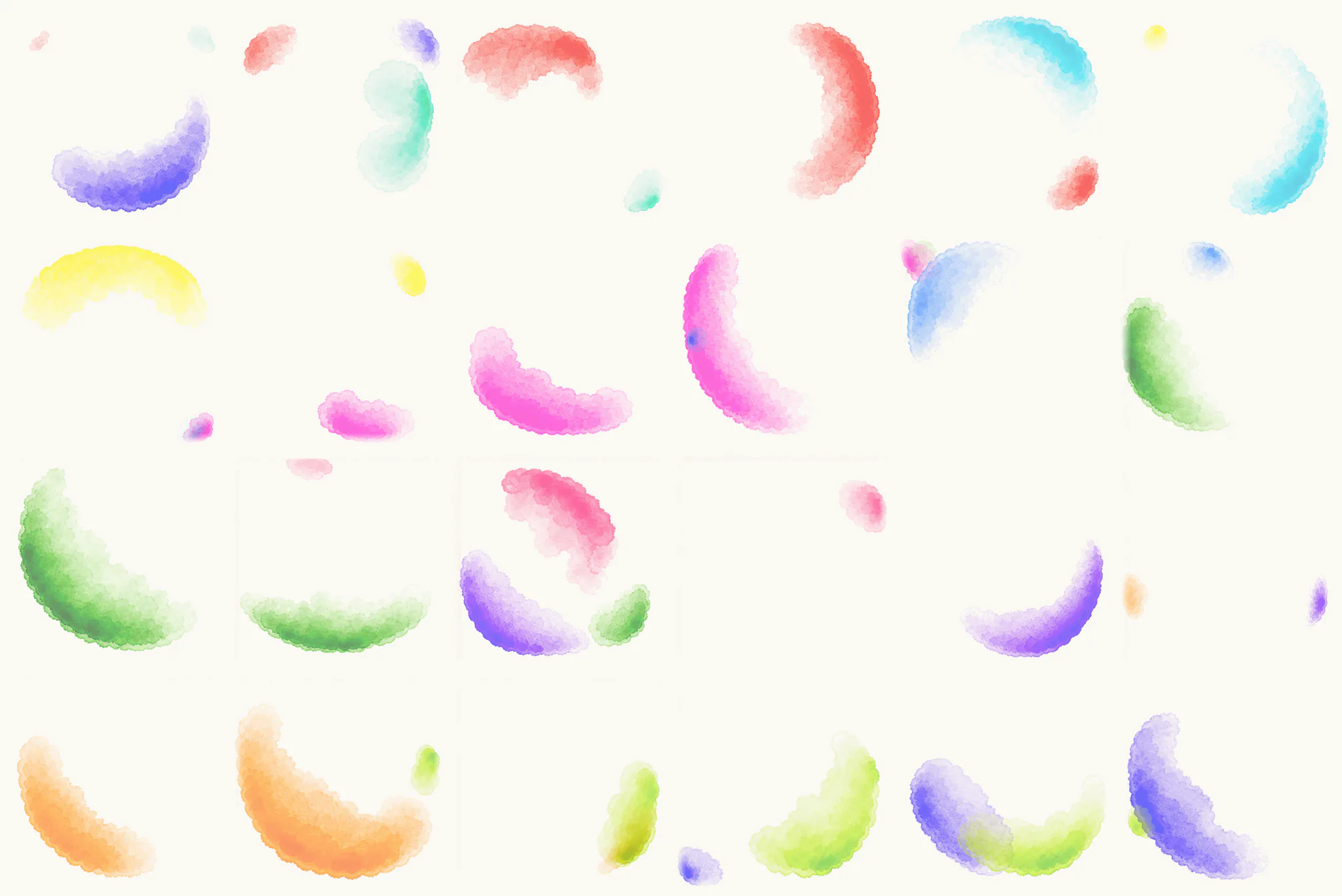
R01 · Retained failures
Sparse pigments preserve color, but synchronization stacks them and a one-second stagger turns them into blinks.
12 sources · 2 failure modes
Open this stage →
R02 · Timing
The same twenty-four paintings run under six clocks. Quiet pulse, high-rate hold, and breathing dwell continue.
3 promoted · 3 parked
Open this stage →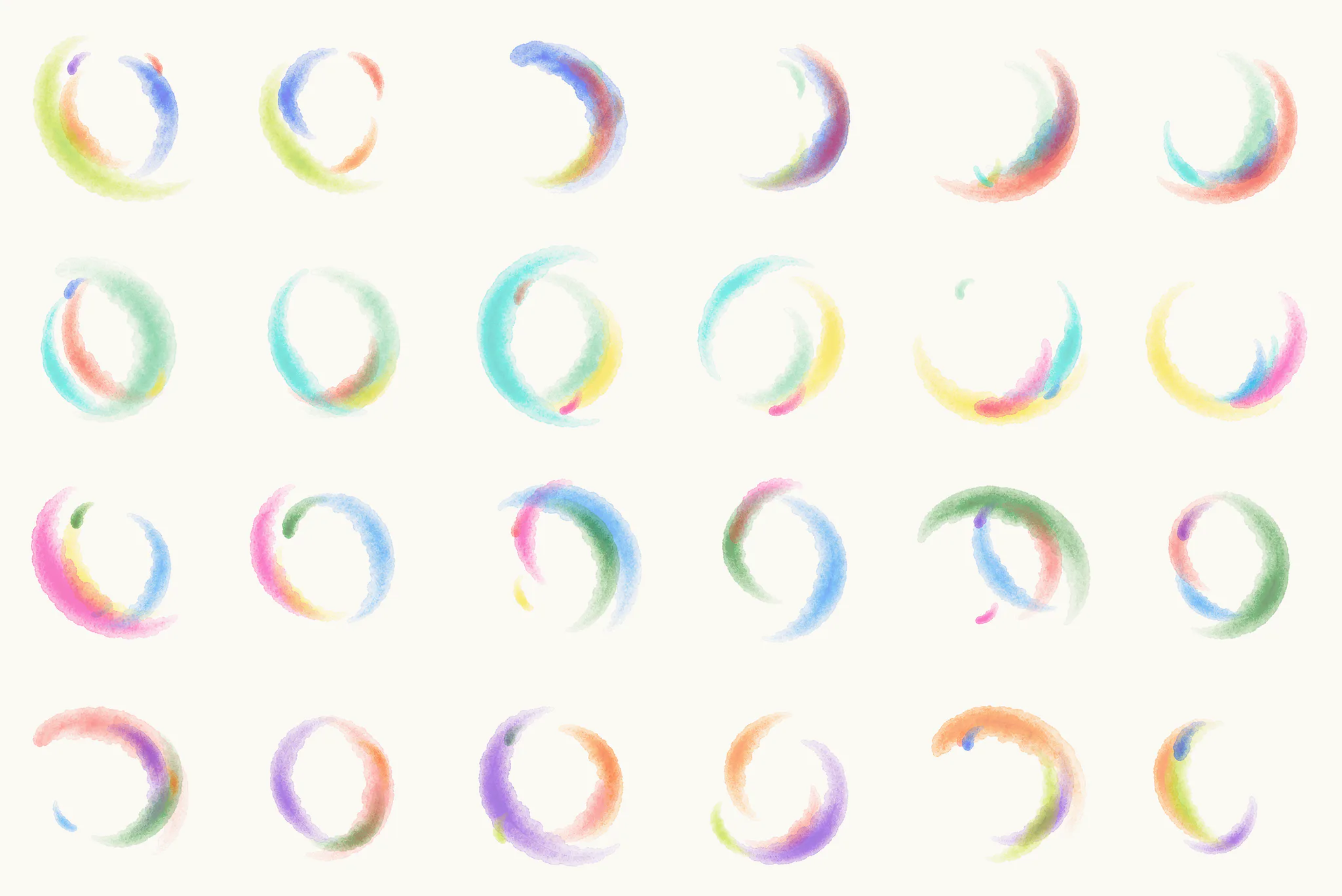
R03 · Artwork rebuild
Every pigment becomes a complete small–long–small orbital event while the useful timing structures stay fixed.
12 passed QA · 3 heroes
Open this stage →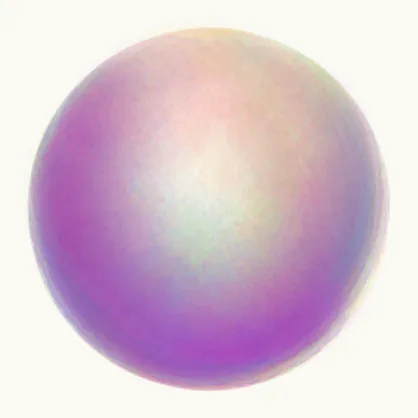
R04 · Shared boundary
Two destructive correction methods are rejected before uniform radial fitting brings 108 paintings to one measured wall.
12 isolated · 3 composites
Open this stage →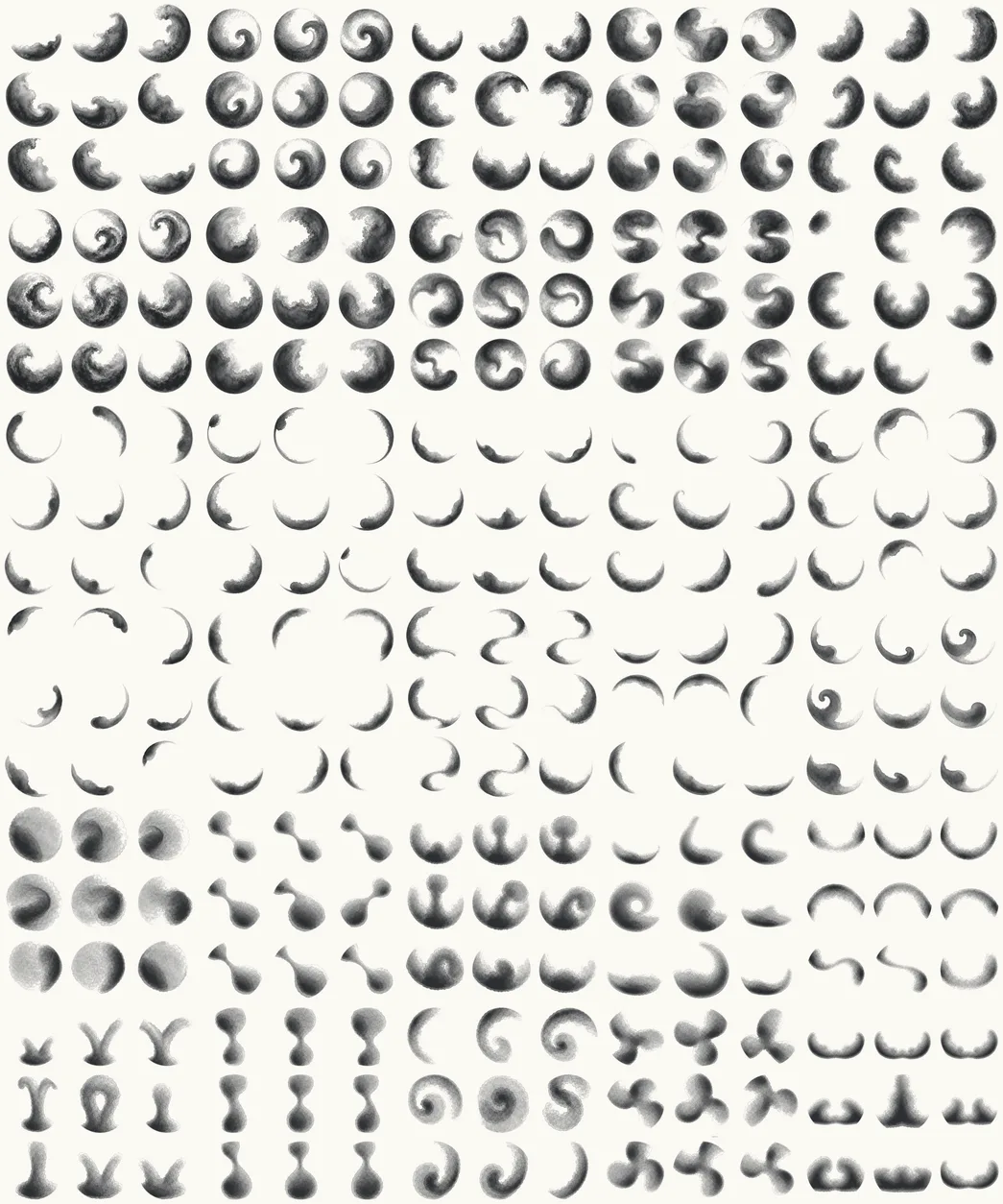
R05 · Motion
A dense family, a repetitive sparse family, and ten source-swatch mechanics expose what fluid motion can survive compositing.
10 promoted · 20 learnings
Open this stage →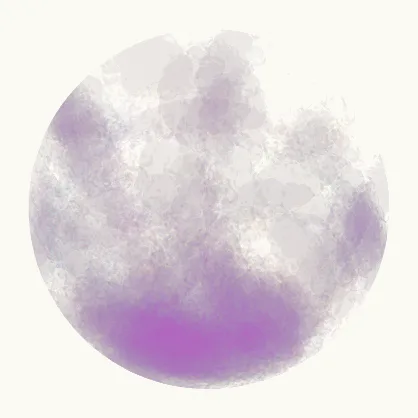
R06 · Reassembly
Five accepted mechanics pass deterministically through all twelve pigments and return as complete color directions.
5 motions · 10 recipes
Open this stage →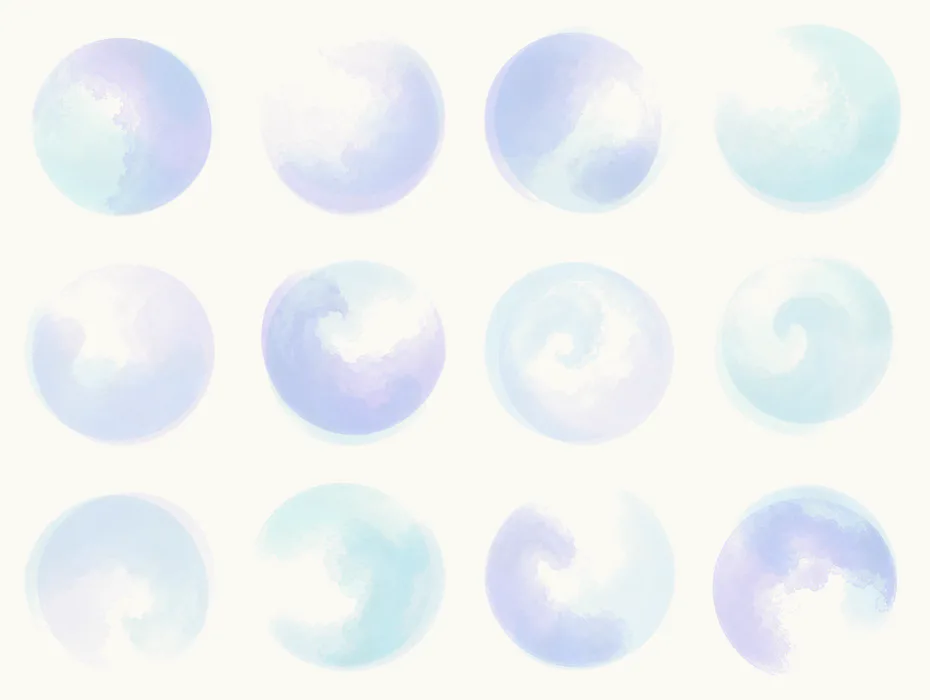
R07 · Tonal study
Broad related blue fields and pale washes with sparse deep currents test motion without rainbow contrast.
24 directions · 2 families
Open this stage →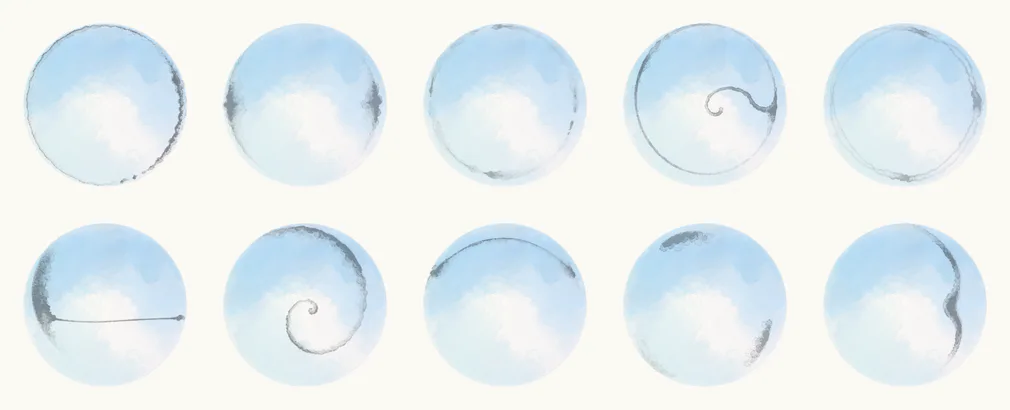
R08 · Alignment and covers
The ocean receives an angle-aware elastic wall; wash-heavy cover misses give way to ten moving watercolor hairlines.
24 aligned · 10 covers
Open this stage →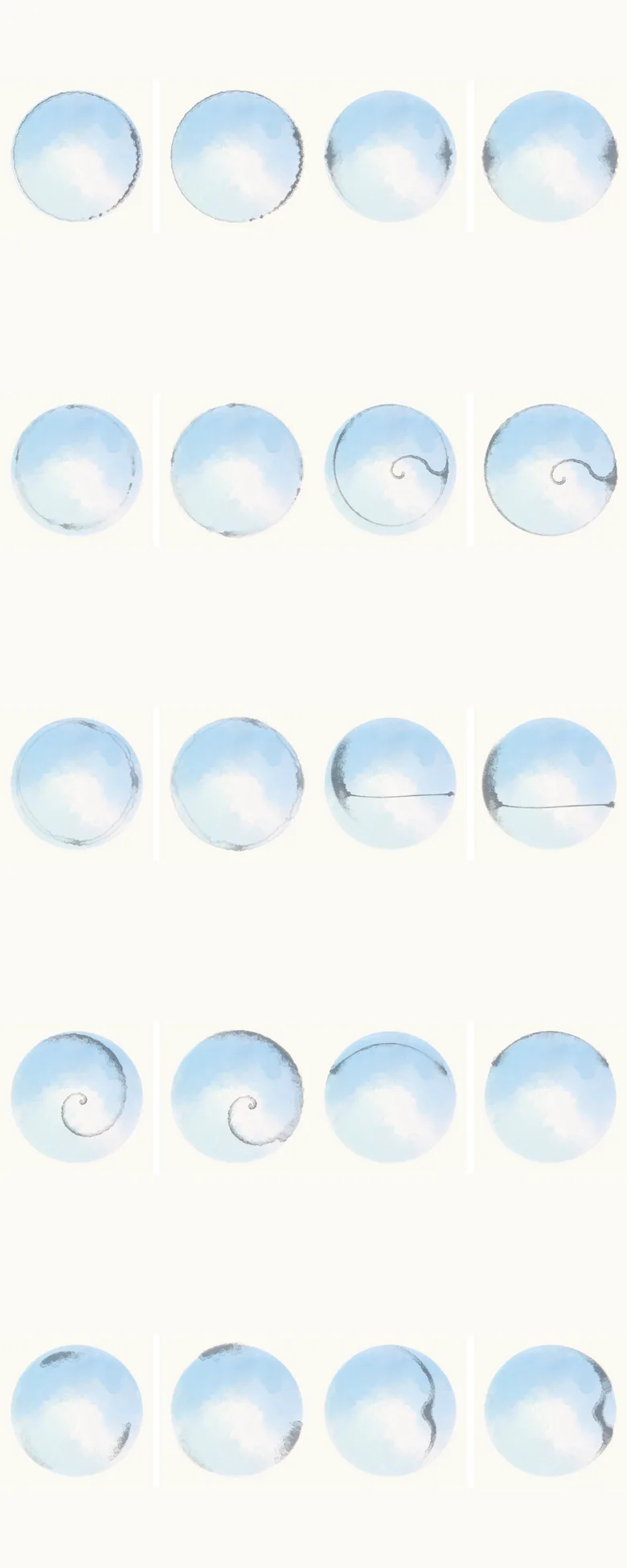
R09 · Coordinate rig
The paintings remain unchanged while every moving line is registered to one fixed center, wall, and feather.
10 fixed · 30 proofs
Open this stage →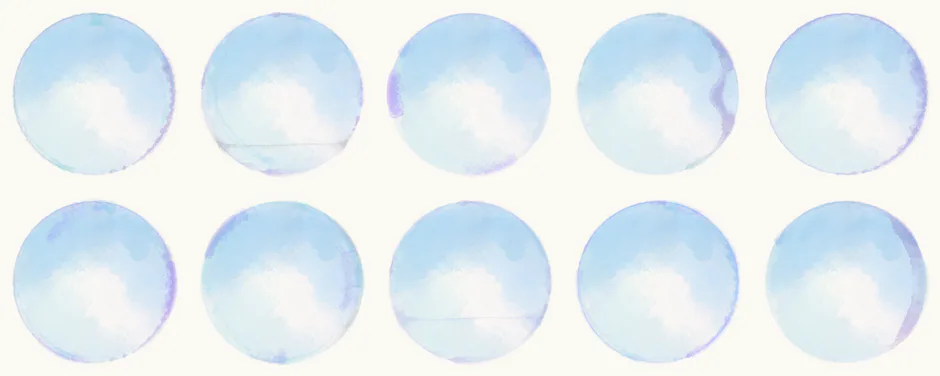
R10 · Color structure
Six registered cover motions borrow repository ocean pigments, then layer across two hero bodies.
20 recipes · 5 heroes
Open this stage →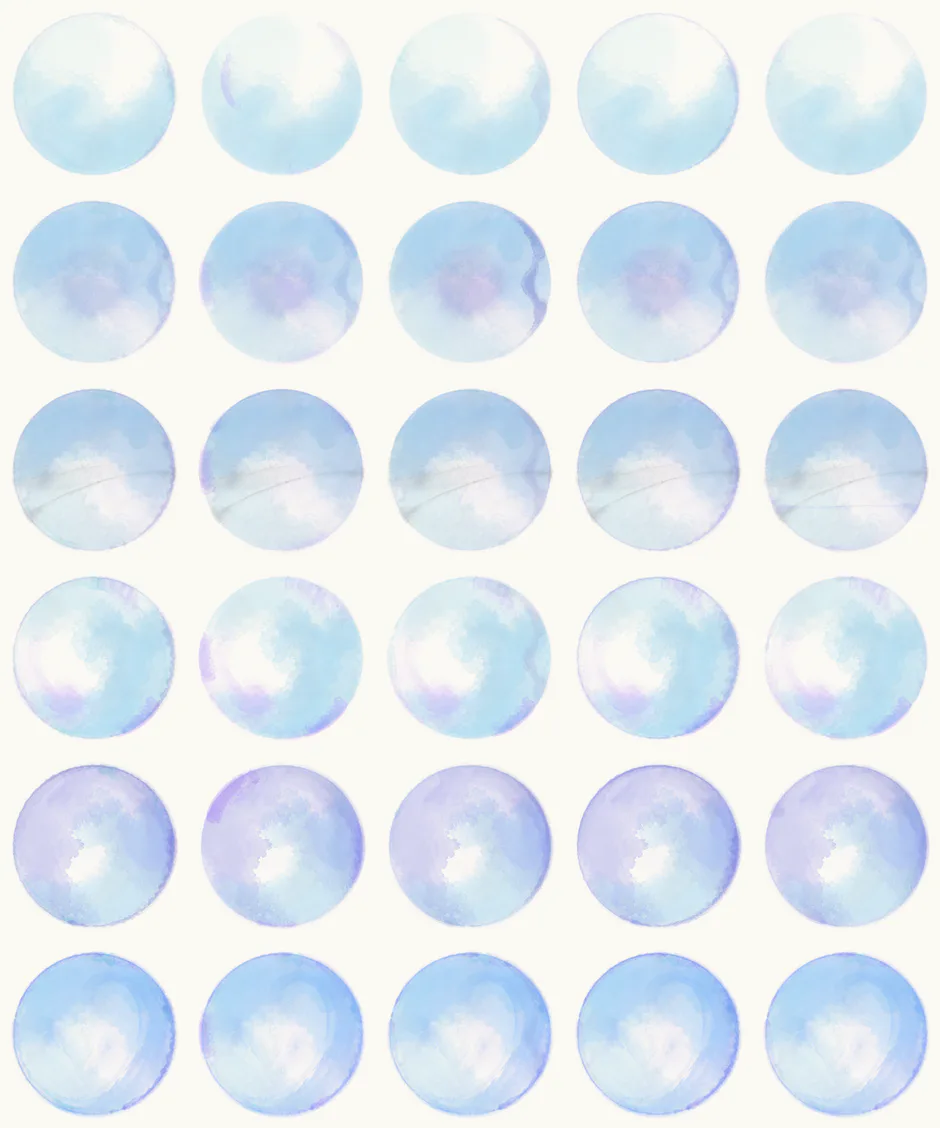
R11 · Behavior
Stable compositions receive idle, listening, thinking, talking, working, and magical-flare behavior under one clock.
5 heroes × 6 states
Open this stage →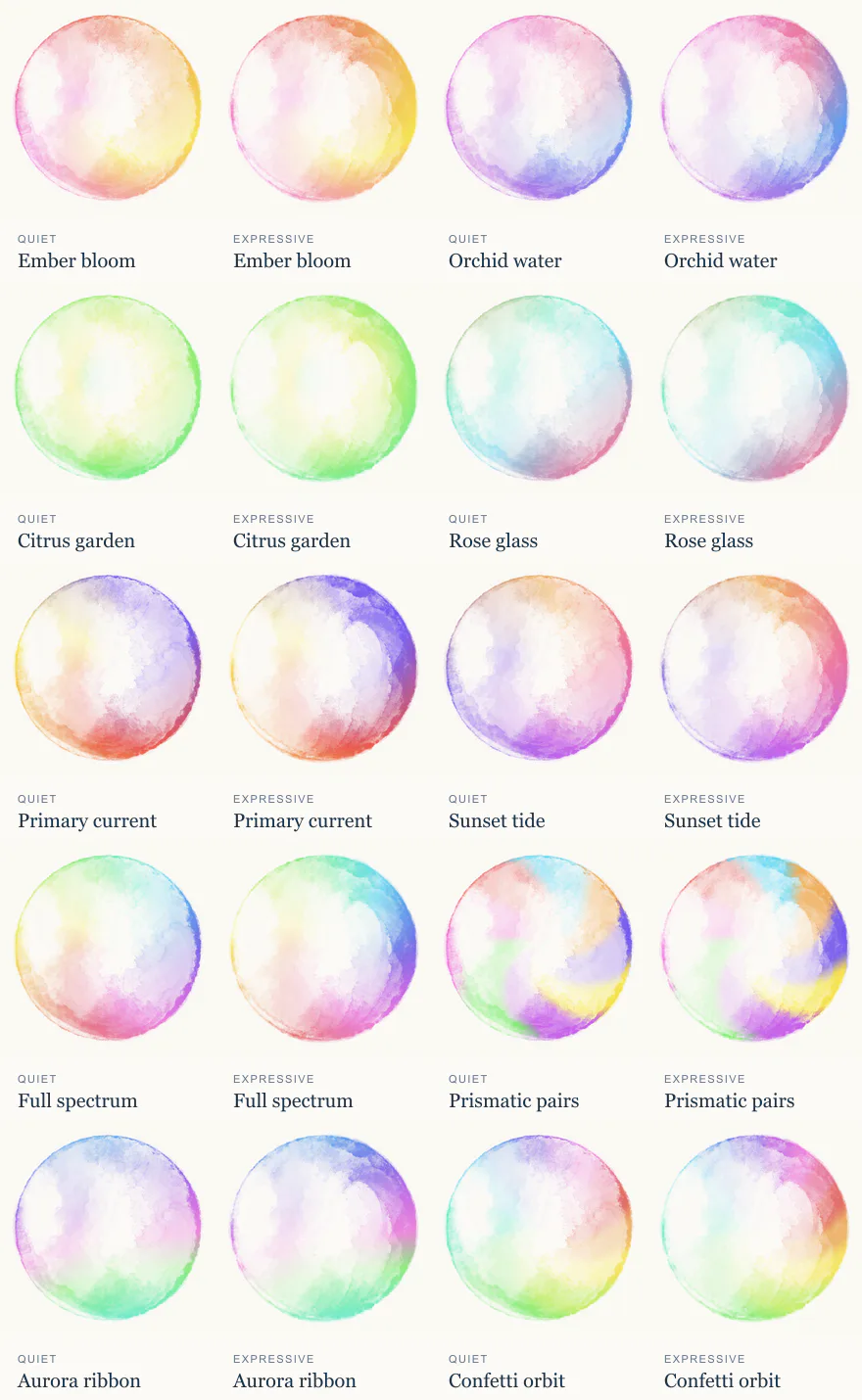
R12 · Palette transfer
Two fixed behavior bodies carry ten repository-swatch systems through a five-pass seam correction.
10 palettes × 2 motions
Open this stage →